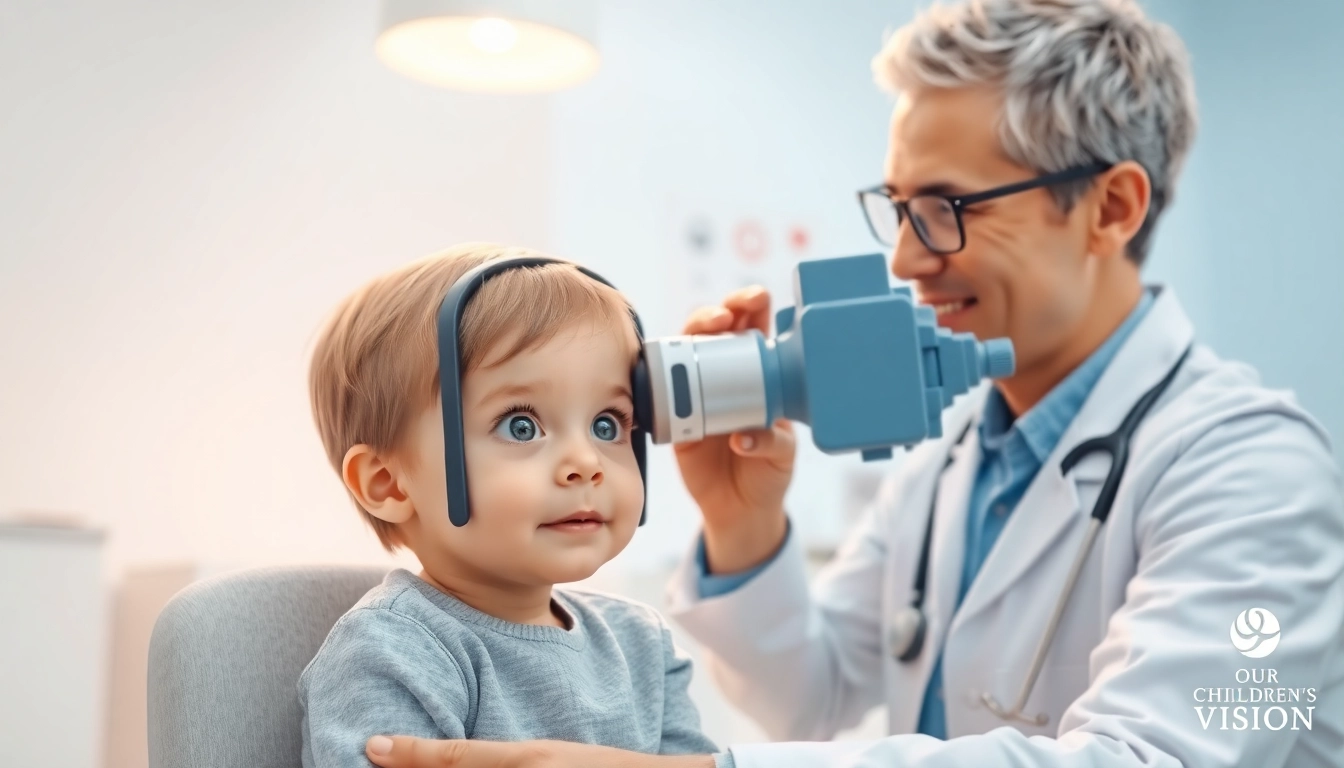
Introduction to Our Children's Vision
In a world where children encounter numerous obstacles, one critical area often overlooked is their eye health. The vision of our youngest generation is not just about seeing clearly; it plays a crucial role in their cognitive development, social skills, and overall well-being. Our Children's Vision aims to bring focus to this vital aspect of child health, advocating for initiatives that ensure effective, sustainable eye health for children globally. Through awareness, research, and service provision, the campaign aspires to make quality eye care accessible for all children.
Importance of Eye Health in Children
Eye health is foundational for children, impacting their learning and development. Poor vision can lead to academic challenges, hindering a child’s ability to read, write, and engage in classroom activities. Studies indicate that at least 1 in 4 children may have some form of vision impairment that can affect their educational performance. Early identification and intervention are key in avoiding these pitfalls. Regular eye exams and appropriate treatments can significantly enhance a child's overall development and quality of life.
The Impact of Vision Impairment
Vision impairment in children can have devastating psychological and social implications. Children with low vision or blindness may experience difficulty in forming social connections and may face stigmatization. Furthermore, vision-related issues can dramatically impact a child’s academic achievement. According to global health organizations, uncorrected refractive errors and other vision issues are among the leading causes of preventable blindness in children. Understanding these impacts emphasizes the urgent need for awareness and intervention initiatives.
Why Eye Care Advocacy Matters
Advocating for child eye health is essential in promoting social equity and enabling future generations. Eye care advocacy not only aims to elevate awareness regarding the importance of eye health but also highlights the systemic barriers that hinder access to eye care services. Through initiatives like Our Children's Vision, communities can mobilize funds, promote screenings, and increase educational outreach, ensuring that every child has an opportunity for a healthy future.
Common Eye Problems in Children
Identifying Vision Issues Early
Identifying vision problems early in childhood is crucial for effective intervention. Parents and educators should be vigilant for signs that may indicate vision difficulties. Symptoms may include squinting, rubbing eyes excessively, difficulty focusing on objects, or frequent headaches. Schools play a vital role in this process by incorporating vision screenings into health assessments, allowing for timely referrals to eye care professionals when concerns arise.
Types of Visual Disorders in Children
Several common visual disorders can affect children's eyes, including:
- Myopia (Nearsightedness): A common condition where close objects are seen clearly, but distant objects appear blurry.
- Hyperopia (Farsightedness): Difficulty in focusing on nearby objects, leading to potential challenges with reading.
- Astigmatism: A refractive error caused by an irregular shape of the eye, which can blur vision at any distance.
- Amblyopia (Lazy Eye): A condition where one eye fails to achieve normal visual acuity due to differences in the eye’s ability to focus.
- Strabismus (Crossed Eyes): A condition where the eyes do not properly align when looking at an object.
Risk Factors Affecting Child Eye Health
Certain risk factors can predispose children to eye health problems. These include genetics, premature birth, low birth weight, and certain systemic health issues. Exposure to digital screens without appropriate breaks can also contribute to vision issues such as digital eye strain, particularly in a technology-driven society where children are often engaged with screens for extended periods. Creating awareness about these risk factors can lead to preventative measures and promote proactive eye health habits in children.
Preventative Measures for Children's Eye Health
Routine Eye Exams and Screenings
Routine eye exams are critical for maintaining optimal eye health in children. The American Academy of Ophthalmology recommends comprehensive eye examinations at specific intervals throughout childhood, starting as early as six months of age, followed by additional exams at age 3, and again before entering school. These assessments can help to detect conditions that may not exhibit symptoms until more significant damage has occurred.
Healthy Habits for Vision Care
Encouraging healthy habits can go a long way in promoting eye health. Some essential practices include:
- Ensuring a balanced diet rich in vitamins A, C, and E, omega-3 fatty acids, and zinc.
- Encouraging outdoor playtime, which has been linked to a reduced risk of myopia development.
- Limiting screen time and enforcing the 20-20-20 rule: every 20 minutes, have them look at something 20 feet away for at least 20 seconds.
Utilizing Protective Eyewear
Protective eyewear is vital in preventing eye injuries and protecting vision during sports and recreational activities. Sunglasses with proper UV protection should be worn outdoors, while safety goggles are crucial during activities that pose a risk for eye injuries, such as certain sports or science experiments. Educating children on the importance of wearing the right kind of eyewear can instill lifelong protective habits.
Advocacy and Community Support for Our Children's Vision
Joining Local Initiatives and Programs
Community involvement is a cornerstone of effective advocacy for children's eye health. Local health departments, schools, and non-profits can collaborate to provide free or low-cost screenings and educational resources about eye health. Hosting community events or vision health fairs can spotlight the importance of eye health in children, encouraging families to take affirmative action regarding their children’s care.
Raising Awareness in Schools and Communities
Raising awareness in schools is essential for early detection of vision issues. Teachers and school staff should be equipped with knowledge regarding the signs of vision problems and the importance of regular eye check-ups. Integrating vision health into school curriculums can generate awareness among students and parents, fostering an environment where eye care is prioritized.
The Role of Partnerships in Eye Health
Partnerships between various stakeholders – including governmental bodies, non-profits, and private sector players – can dramatically improve the landscape of children's eye health. Collaborative efforts can enhance resource sharing, from funding for initiatives to shared research on pediatric vision health. Such synergies can lead to more effective policy-making and implementation of comprehensive vision health strategies for children.
Future Directions for Our Children's Vision
Innovations in Pediatric Eye Care
The future of pediatric eye care holds promising innovations that may revolutionize how we approach child vision health. Digital technology plays a significant role in facilitating remote eye exams and expanding access, especially for children in underserved communities. Advancements in diagnostic tools and personalized treatment approaches promise to enhance the accuracy and effectiveness of interventions.
Research Developments and Initiatives
Ongoing research in the field of pediatric eye health aims to identify the most effective treatments and preventative measures. Recent initiatives are exploring genetic factors contributing to common visual disorders, and the role environmental influences, such as urbanization, play in the prevalence of myopia. By staying ahead of these trends, the field can adapt its strategies to better serve the needs of children globally.
Long-term Goals for Global Eye Health
Establishing long-term goals for global eye health is essential for the sustainability of initiatives like Our Children's Vision. Strategies should focus on accessibility to eye care, integrating services into existing health frameworks, and promoting health literacy among families. With comprehensive approaches, we can aspire to eradicate preventable blindness and improve the quality of life for children worldwide.