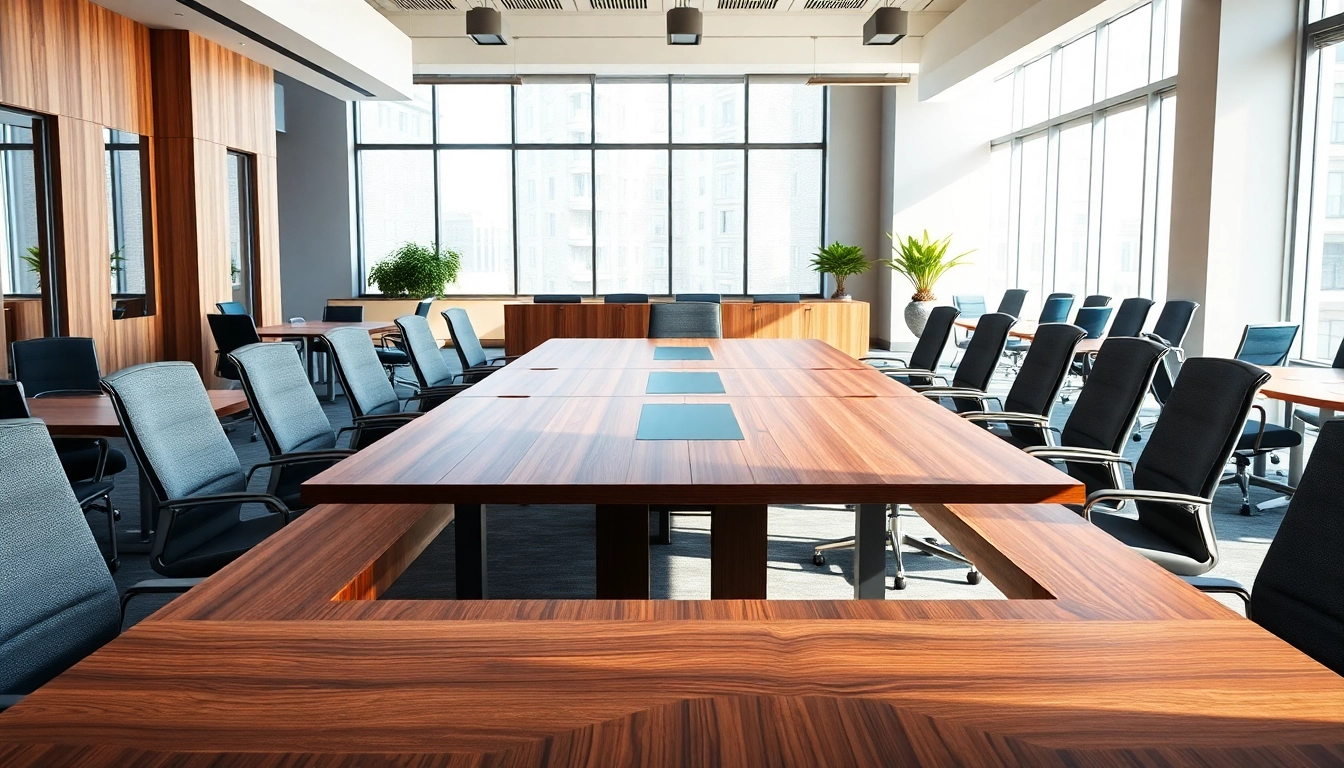
Understanding Conference Tables
In today's professional environment, Conference tables serve as essential fixtures in offices, fostering collaboration, discussion, and decision-making within teams. These tables vary not only in physical characteristics but also in their functional purposes and aesthetic contributions to office spaces. Understanding what makes a conference table suitable for different office scenarios is crucial for creating an effective workspace.
What Are Conference Tables?
Conference tables are large tables designed specifically for meetings in corporate environments. These tables accommodate small to large groups of people and are often found in conference rooms, boardrooms, and collaborative spaces. They come in various shapes, sizes, and materials, tailored to fit the unique requirements of different workplaces. While their primary role is to facilitate discussions and meetings, conference tables also enhance the overall design and feel of an office space.
Key Features of Conference Tables
When selecting a conference table, several key features should be taken into account:
- Size and Shape: Conference tables come in many sizes, accommodating a range of group sizes and room layouts. Common shapes include rectangular, round, oval, and modular configurations.
- Material: The materials used for conference tables can range from wood, glass, and metal to laminate surfaces, each offering different aesthetics and durability.
- Finish: Options like wood stains, paint, or polished surfaces can influence the overall look and feel, helping the table fit seamlessly with existing office decor.
- Functionality: Features like cable management systems, built-in power outlets, and adjustable height can enhance usability, making meetings more efficient.
- Mobility: Some conference tables are designed to be movable or modular, allowing for flexible space arrangements, accommodating different meeting types.
Importance of Selecting the Right Size
Selecting the appropriate size for a conference table is vital for both functionality and comfort. A table that is too small can feel cramped and restrict interaction, while an overly large table can create a sense of distance among participants. Key considerations when determining the right size include:
- Room Dimensions: Measure the space where the table will reside, ensuring there's ample room for movement and additional furniture.
- Number of Users: Estimate how many people will be using the table regularly to determine the appropriate seating capacity.
- Meeting Type: Different meetings may require different table configurations, such as presentations that need a clear line of sight to a screen.
Types of Conference Tables
Understanding the various types of conference tables can help businesses make informed decisions that best suit their meeting needs. Here are the predominant types:
Rectangular Conference Tables
Rectangular tables are the most traditional type of conference table, providing a linear setup that facilitates discussions. They can be found in various lengths to accommodate small or large meetings and promote eye contact among participants. This classic design is often used for formal meetings and presentations.
Round Conference Tables
Round tables are known for promoting interaction and collaboration among users. They eliminate the head-of-the-table dynamic, encouraging equal participation. This type of table is ideal for brainstorming sessions, small groups, and informal meetings, creating a more relaxed atmosphere.
Adjustable and Modular Conference Tables
For businesses that require flexibility, adjustable and modular conference tables are excellent options. These tables can be rearranged or resized according to the meeting’s needs. Modular tables can be combined or separated, allowing for lucrative use of space while adapting to groups of varying sizes.
Design Considerations for Conference Tables
When choosing a conference table, the design should align with both functional and aesthetic requirements. Here are pivotal design considerations:
Material Options and Their Benefits
The material of a conference table can influence its durability, maintenance, and overall appearance:
- Wood: Offers a warm and inviting feel, often associated with professionalism.
- Glass: Provides a modern, sleek look and can make a space feel larger, though it may require more care to maintain clarity.
- Metal: Known for its durability and industrial aesthetic, metal tables can withstand heavy use.
- Laminate: A cost-effective option available in many colors and textures, laminate can mimic other materials while being easy to clean.
Style vs. Function in Conference Tables
Choosing between style and function often poses a challenge. It’s crucial to find a balance that does not compromise the workplace's functionality while still aligning with the desired aesthetic. Consider integrating design elements that enhance usability without sacrificing visual appeal, such as stylish cable management solutions or decorative table legs that also add sturdiness.
Creating a Cohesive Office Aesthetic
A conference table should blend seamlessly with the surrounding office environment. Consider the overall decor theme—modern, traditional, industrial—and select a table that complements that style. Use color palettes and materials consistent with the office's branding to create a unified look and feel throughout the workspace.
Best Practices for Arranging Conference Tables
Effective arrangement of conference tables can significantly influence the flow of a meeting. Here are some best practices to consider:
Optimal Layouts for Collaboration
Different meeting objectives require different table arrangements. Popular layouts include:
- U-Shape: Ideal for discussions and presentations, allowing participants to see each other and the presenter.
- Boardroom Style: Provides a formal setting, suitable for important meetings where decision-making occurs.
- Classroom Style: Facilitates teaching or presentations with tables arranged in rows, facing a focal point.
Incorporating Technology with Conference Tables
Today’s meetings often involve digital presentations and remote participants. To facilitate this, consider conference tables that incorporate:
- Built-in power outlets for laptops and other devices
- Integrated screens for presentations or video conferencing
- Audio systems for clear communication
Mobility and Flexibility in Conference Settings
The modern workplace values adaptability. Tables that can be easily moved or reconfigured support diverse meeting styles, whether it’s a quick brainstorming session or a more formal board meeting. Consider tables on wheels for easy rearrangement and additional space-saving designs.
Budgeting for Conference Tables
Acquiring an appropriate conference table requires a well-thought-out budget. Here are some strategies for staying within your financial limits while making quality purchases:
Understanding Price Ranges for Conference Tables
Conference tables can vary widely in price based on material, size, and brand reputation. Basic laminate tables may start at lower price points, while custom or designer pieces can reach high-end price ranges. Assess your budget by considering both upfront costs and potential longevity to ensure a wise investment.
Finding Quality Within Your Budget
By researching different materials and designs, you can find quality options within your budget. Explore options that offer warranties or customer satisfaction guarantees, which can justify higher upfront costs if they ensure durability and functionality over time.
Long-Term Investment in Conference Tables
Investing in durable and aesthetically pleasing conference tables is not merely an expense but a long-term investment. High-quality tables can withstand the rigors of constant use and maintain a professional appearance, thereby enhancing the office's functionality and perception over time. Plan for maintenance and repairs, ensuring that your investment remains viable for the long haul.