Understanding the Importance of Railway Maintenance
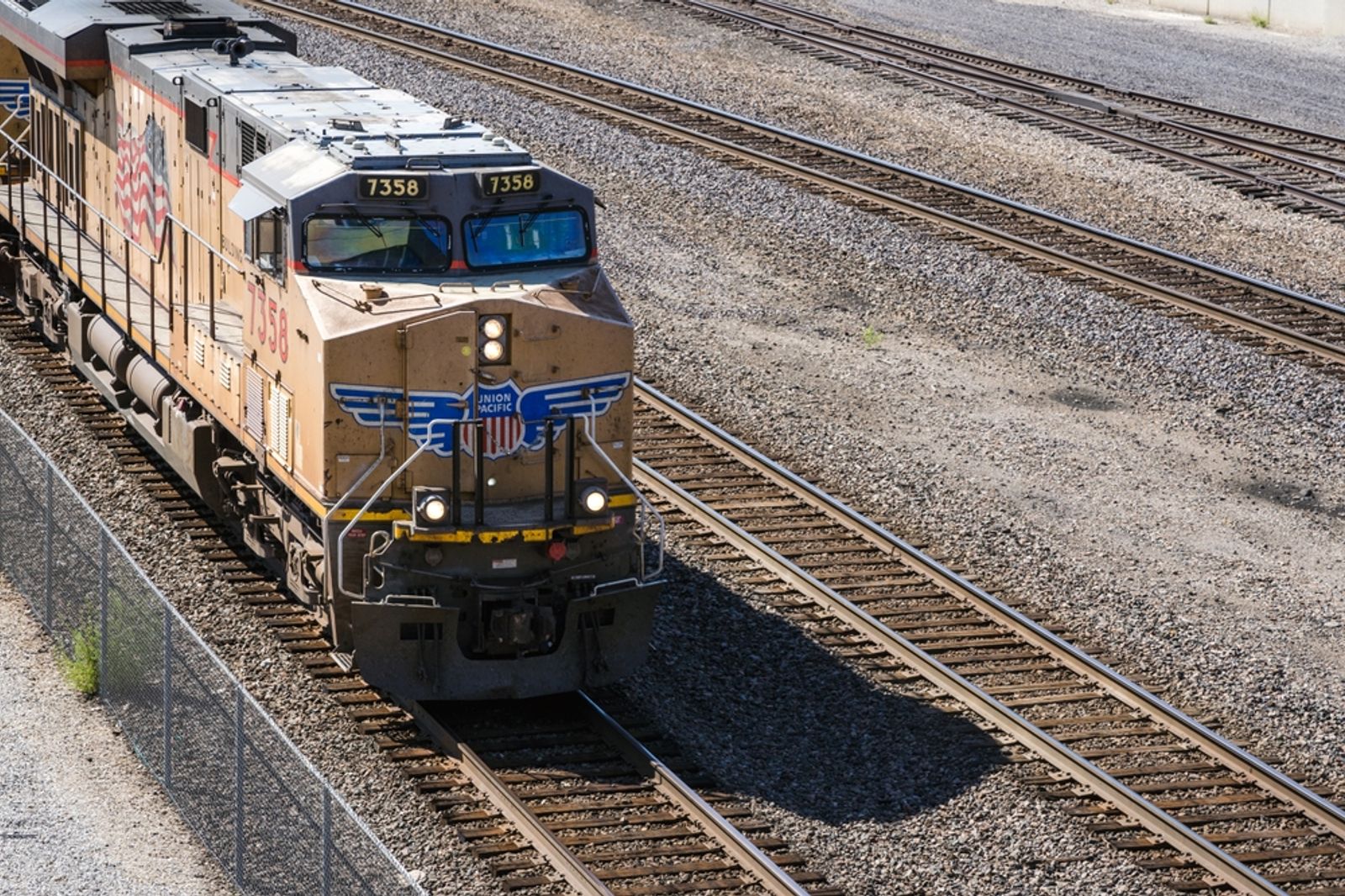
The efficiency and safety of railway systems are paramount to the functioning of global transportation networks. Railway maintenance plays a critical role in ensuring that railways operate smoothly. This article delves into why railway maintenance is essential, the various types of maintenance activities, the tools and technologies driving this field, and how to implement effective maintenance programs.
Key Functions and Responsibilities
Railway maintenance encompasses a spectrum of activities, including the inspection, repair, and upkeep of tracks, trains, and infrastructure. Key functions involve:
- Inspection: Regular checking of tracks for defects or wear.
- Repairs: Addressing damages in real-time to prevent major failures.
- Upgrades: Implementing improvements in tracks and signaling systems.
- Record Keeping: Maintaining detailed logs of maintenance activities and inspections for accountability.
By adhering to these responsibilities, railway operators can minimize risks and enhance service reliability.
Impact on Safety and Efficiency
Railway maintenance is directly linked to the safety and efficiency of train operations. Proper maintenance can significantly reduce the likelihood of accidents, system failures, and service disruptions. For instance, regular track inspections can catch anomalies that might lead to derailments. Furthermore, efficient service translates to less downtime, reduced operational costs, and improved customer satisfaction.
Consequences of Neglected Railway Maintenance
Neglecting railway maintenance can lead to severe consequences, including:
- Increased Accidents: Failure to maintain tracks can increase the risk of derailments and accidents.
- Service Interruptions: Unscheduled repairs can lead to delays and cancellations.
- Higher Costs: Reactive maintenance is often more expensive than preventive strategies.
- Reduced Lifespan of Assets: Poor maintenance shortens the lifespan of railway infrastructure.
These consequences underscore the critical need for a robust maintenance framework to safeguard operations.
Types of Railway Maintenance Activities
Routine Inspections and Repairs
Routine inspections are essential in identifying wear and tear before they escalate into critical issues. These activities typically include checking track alignment, signal functionality, and the integrity of bridges. Repairs can range from replacing worn rails to fixing minor electrical faults in signaling systems. Such proactive measures are vital for minimizing risks.
Preventive and Predictive Maintenance Techniques
Preventive maintenance involves scheduled servicing tasks to prevent breakdowns. This includes regular check-ups and replacements based on a timetable. Predictive maintenance, an evolution of preventive practices, utilizes data analytics and condition-monitoring tools to anticipate failures. This proactive stance helps in optimizing maintenance schedules and prolonging asset life.
Specialized Maintenance for Unique Scenarios
Certain situations require specialized maintenance approaches. For instance, geographical challenges such as mountainous terrains might necessitate unique track support systems and monitoring solutions. Similarly, urban railways deal with noise and vibration concerns that mandate specific maintenance protocols. Tailoring maintenance strategies to fit these challenges can greatly enhance operational effectiveness.
Tools and Technologies in Railway Maintenance
Innovative Tools for Track Inspection
The landscape of railway maintenance is increasingly adopting innovative tools. Examples include:
- Ultrasonic Testing Devices: Used for detecting internal flaws in rails.
- Ground Penetrating Radar (GPR): For assessing the condition of track beds.
- Rail Inspection Trains: Equipped with high-tech sensors for comprehensive evaluations.
These tools enable maintenance teams to conduct thorough inspections efficiently and accurately.
Technology Integration for Efficiency
Integrating technology into railway maintenance operations enhances efficiency. Software solutions for scheduling, tracking progress, and managing inventory streamline processes. Moreover, the use of drones for aerial inspections can cover vast areas quickly, providing real-time data that improves response times to maintenance needs.
Data-Driven Decision Making in Maintenance Planning
Data analytics plays a transformative role in shaping maintenance strategies. By analyzing historical performance data, railway operators can identify patterns and devise effective maintenance schedules. Additionally, machine learning algorithms can predict potential failures, allowing teams to act promptly and strategically.
Implementing Effective Railway Maintenance Programs
Structuring a Maintenance Schedule
A well-structured maintenance schedule is the backbone of an effective railway maintenance program. This should include daily checks, weekly inspections, monthly overhauls, and annual evaluations. Prioritizing tasks based on risk assessments ensures that critical areas receive attention while optimizing resource allocation.
Training and Development for Maintenance Personnel
Investing in the training and continuous development of maintenance personnel is crucial. Providing training on new technologies, safety protocols, and best practices ensures that maintenance teams are equipped to handle contemporary challenges effectively. Regular workshops and certifications can keep skills sharp and knowledge up-to-date.
Budgeting for Railway Maintenance Activities
Effective budgeting for railway maintenance activities requires a detailed understanding of projected costs associated with materials, labor, and equipment. Setting aside a maintenance fund and periodically reviewing expenditures can enable organizations to allocate resources efficiently and manage unexpected costs without compromising safety.
Measuring the Success of Railway Maintenance Efforts
Key Performance Indicators (KPIs)
Measuring the success of railway maintenance programs relies on various Key Performance Indicators (KPIs). Common KPIs include:
- Mean Time Between Failures (MTBF): Indicates the average time between failures.
- Maintenance Cost per Mile: Helps assess financial efficiency.
- Track Condition Index: Measures the overall quality of the track.
These KPIs provide actionable insights into the health of railway operations.
Feedback Mechanisms for Continuous Improvement
Establishing feedback mechanisms is vital for continuous improvement in maintenance practices. Conducting regular surveys with maintenance teams, analyzing downtime incidents, and reviewing inspection findings can reveal areas for improvement. Implementing suggestions from personnel on the ground ensures that maintenance strategies evolve and adapt effectively.
Case Studies in Successful Railway Maintenance
Case studies of successful railway maintenance programs illustrate the potential for enhanced safety and efficiency. By analyzing specific instances, railway operators can draw lessons and apply best practices in their contexts. For example, a railway company that embraced predictive maintenance could demonstrate a significant reduction in service disruptions, resulting in costs savings and improved customer satisfaction.
Frequently Asked Questions
What is railway maintenance?
Railway maintenance refers to the range of activities aimed at upkeep, inspection, and repair of tracks, signaling systems, and rolling stock to ensure safe and efficient train operations.
Why is railway maintenance important?
Railway maintenance is crucial for preventing accidents, enhancing operational efficiency, extending the lifespan of assets, and ensuring the safe transportation of passengers and goods.
What are the types of railway maintenance?
Railway maintenance includes routine inspections, preventive and predictive maintenance, and specialized maintenance activities tailored to specific challenges or scenarios.
How can technology improve railway maintenance?
Technology enhances railway maintenance through tools for inspection, data analytics for predictive maintenance, and software for improving scheduling and resource allocation.
What are key performance indicators for railway maintenance?
Important KPIs include Mean Time Between Failures (MTBF), maintenance cost per mile, and track condition index, which help evaluate the effectiveness of maintenance efforts.