
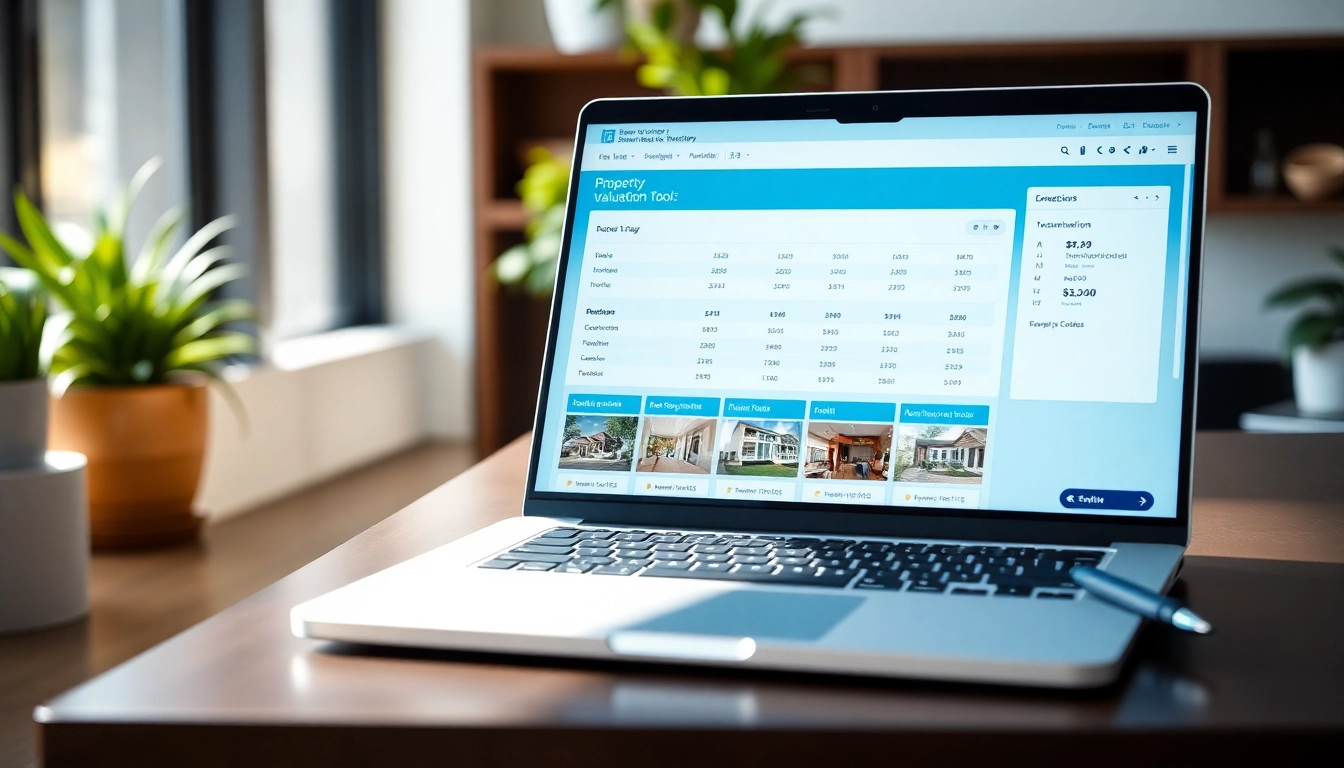
Understanding the Property Valuation Tool
What is a Property Valuation Tool?
A property valuation tool is a specialized instrument designed to assess the worth of a real estate asset. It utilizes a combination of data inputs—such as location, size, property condition, and market trends—to estimate value effectively. For investors involved in real estate flipping or trading, understanding the potential returns on a property investment is crucial. A comprehensive property valuation tool can streamline this process, allowing users to make data-driven decisions with confidence. Beyond mere estimates, these tools can uncover insights that might go unnoticed through traditional valuation methods. They compile various data points, such as comparative market analyses (CMAs), local market trends, and historical sales data, providing a granular view of what a property is truly worth in today's market.
Key Features and Benefits
The best property valuation tools offer a wealth of features designed to assist investors effectively. Some key features include: - Automated Calculations: Instant calculations for Return on Investment (ROI), break-even points, and other vital metrics. - Advanced Analytics: Robust analysis of the data that includes comprehensive projections and profitability analyses tailored to specific investment strategies. - Market Data Integration: Real-time access to market trends and data enables users to make informed decisions. - Interactive Dashboards: Visual representations of data, including charts and projections, which help users comprehend their investment potential intuitively. - Custom Recommendations: Personalized insights based on user inputs can significantly enhance investment decisions. The benefits of employing such a tool in real estate investments are substantial. By providing accurate valuations and detailed analytics, investors can minimize risks and maximize their returns, ensuring that every venture into property flipping is well-informed and strategically sound.
How It Works in Real Estate Flipping
In the context of real estate flipping, property valuation tools serve as an essential resource. Investors can input property details such as purchase price, renovation costs, and estimated selling prices to receive an immediate ROI analysis. This empowers them not only to forecast financial gains but also to identify potential pitfalls in their investment plans. The underlying algorithms of these tools analyze local market dynamics, allowing users to understand how factors such as neighborhood development and economic trends could affect their property's future value. By leveraging this information, investors can optimize their flipping strategies, whether it involves focusing on high-demand areas or recognizing when to hold off on a purchase.
Maximizing Your Investment Returns
Setting Investment Goals
Before diving into any real estate investment, it’s pivotal to set clear and achievable goals. Are you looking to flip properties quickly for immediate profit, or are you interested in long-term rental income? Defining such objectives will shape your investment strategy. Having specific goals helps streamline the decision-making process and keeps an investor focused on what really matters. It’s also essential to evaluate the financial implications of your goals—considering the time and capital invested in every project to ensure they align with your overall financial aspirations.
Using Data for Better Decision Making
In today's investment landscape, data-driven decision-making is more critical than ever. Tools that aggregate real market data empower investors to make informed choices, significantly reducing risks associated with real estate investments. For instance, understanding local market trends, average sales prices, and historical performance can guide your choice of property, renovation budget, and even resale price. Incorporating this analytical approach will ensure that your investments are grounded in reality, ultimately leading to improved financial outcomes.
Case Studies of Successful Flips
Learning from successful property flips can provide invaluable insights for new investors. Consider the case of a property in an up-and-coming neighborhood purchased for $150,000. The investor used a property valuation tool to run projections, detailing potential renovation costs and the estimated sell price after improvements. After investing $50,000 into renovations and holding the property for six months, the investor sold the property for $250,000, achieving a 50% profit margin. This demonstrates not only the effectiveness of proper valuation and market evaluation but also highlights the tangible benefits of leveraging the right tools for investment decisions. Similarly, numerous successful flippers have utilized strategic insights gained from advanced valuation tools to identify promising properties quickly. These case studies reinforce the potential that thoughtful analysis holds in transforming investments into profitable ventures.
Step-by-Step Guide to Using the Tool
Entering Your Property Details
The first step in using a property valuation tool is entering your property details. This typically includes essential information such as the property's size, age, location, and any specific features or renovations you're considering. The more precise your inputs, the more accurate your valuation will be. Some tools allow for flexible adjustments to project potential changes in property value based on hypothetical renovations or market shifts. This feature enables you to simulate various scenarios, helping you plan strategically before making any real financial commitments.
Interpreting the Results
Once you've entered all necessary details, the property valuation tool will generate comprehensive results. These often include: - Estimated value based on comparables - ROI calculations - Forecasted profit margins after renovations - Comparative market analyses Learning how to interpret these results is crucial. A detailed ROI calculation, for example, allows you to see the potential profits minus your investment costs. Graphical representations can further aid in understanding trends and valuation forecasts.
Making Informed Decisions Based on Insights
Armed with insights from the valuation tool, it’s time to make informed decisions. This could include moving forward with a purchase or opting for a different property based on your financial projections. Always consider the broader market context as well—what’s happening in the area you are investing in? Are there new developments? Is the market volatile? Utilizing the graphical representations provided can help visualize trends and empower you to make calculated choices.
Advanced Analysis Techniques
Graphical Data Visualization
Advanced property valuation tools typically include graphical data visualization features. Such charts and graphs can illustrate critical metrics over time, helping investors recognize patterns in property valuation and market shifts. Whether it’s a line graph showing price trends or a bar chart comparing different investment properties, these visual aids bring clarity to complex data, enabling quicker and more informed decision-making.
Market Trend Analysis
Another pivotal aspect of sophisticated valuation tools includes the ability to perform in-depth market trend analysis. Understanding the nuances of local and national real estate markets—like supply and demand, economic indicators, and demographic shifts—play a significant role in the valuation and future potential of an investment property. Investors can adjust their strategies based on market forecasts and real-time data, giving them an edge over the competition. By continuously analyzing these trends, investors can make timely decisions that positively affect their investment outcomes.
Personalized Investment Recommendations
The best property valuation tools don't just provide data; they also offer personalized investment recommendations. These suggestions can include tips on the best types of properties to invest in, potential renovations that could increase value, or even strategic selling timelines based on current market conditions. By incorporating machine learning algorithms and user-specific historical data, these recommendations become increasingly relevant, improving an investor’s chances of success with each transaction.
Join the Community of Savvy Investors
Testimonials from Users
Many investors who have harnessed the power of property valuation tools report marked success in their endeavors. Testimonials highlight the user-friendly interfaces and the invaluable insights provided that paved the way for informed decisions. Users appreciate having access to real-time data and analytics that simplify the often-complex world of real estate investment. Their experiences underscore the importance of leveraging technological advancements to enhance profitability.
Resources for Continuous Learning
The journey of a real estate investor is ongoing, with markets continually evolving. Engaging with a community allows investors to tap into a wealth of knowledge, from industry best practices to emerging market trends. Utilizing resources such as webinars, forums, and comprehensive guides can significantly enhance your learning experience, keeping you updated on the tools and techniques that matter most in property investment.
How to Get Started with TraderBrick
To embark on your investment journey using advanced property valuation tools, start by visiting TraderBrick. Creating an account can provide immediate access to a suite of resources that assist in real estate analysis. With its intuitive interface and rich data integration, TraderBrick equips investors with everything they need to transform their investments into profit machines. Whether you're new to flipping or an experienced professional, utilizing such a platform can elevate your effectiveness in the competitive real estate market.