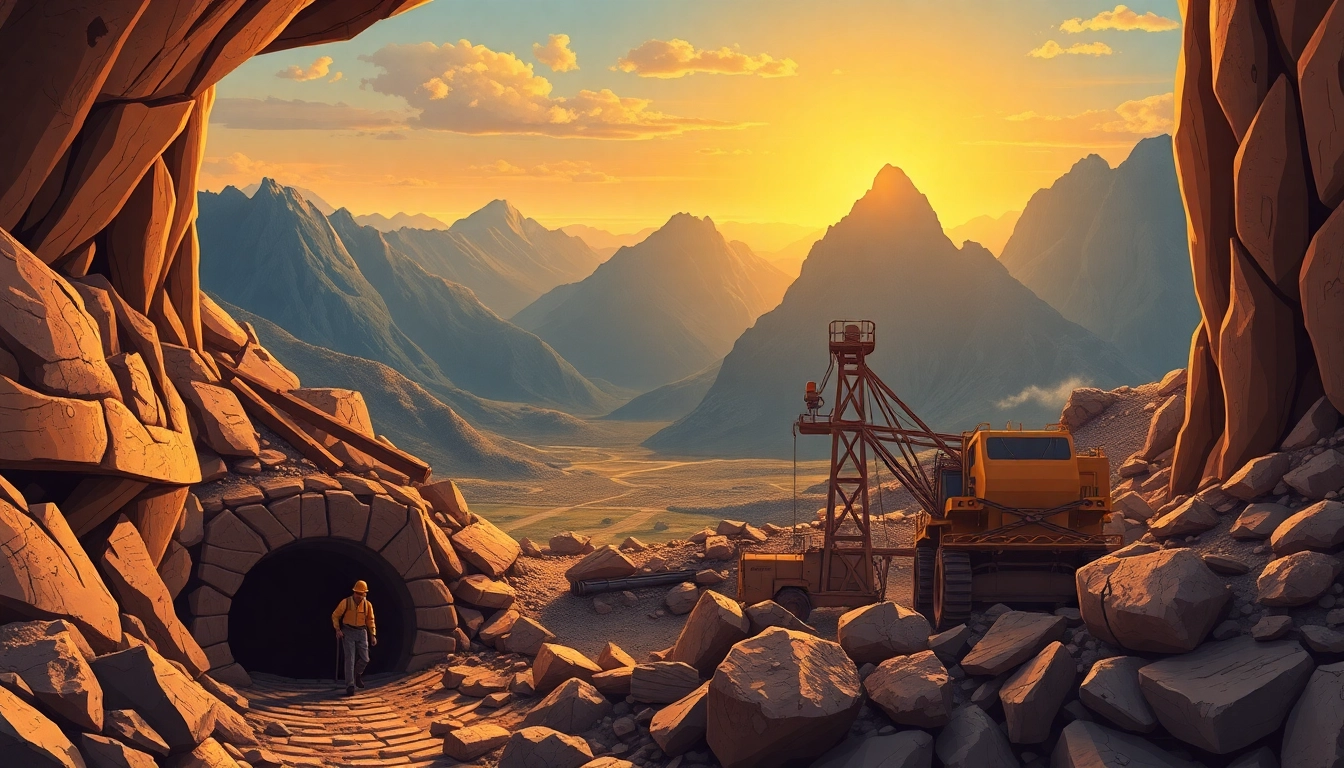
Introduction to Mines
Mines play a crucial role in the extraction of valuable resources that sustain our modern society. They are deep excavations in the earth where minerals and other natural resources are obtained for various applications, from energy production to construction. With the increasing demand for minerals, understanding mines and their implications becomes essential for industries, economies, and the environment alike. This article aims to explore the types of mines, their operational techniques, economic impact, and future trends within the mining industry.
What Are Mines?
Mines are defined as locations where mineral resources, like coal, gold, silver, and precious stones, are excavated from the earth. They are categorized primarily based on the extraction method used and the type of resource harvested. The mining process involves several stages, from exploration and extraction to processing and reclamation, impacting both the surrounding environment and local economies.
Types of Mines Overview
Mines can be generally classified into two main types: surface mines and underground mines. Each type employs different techniques and has distinct impacts.
- Surface Mines: These mines involve removing soil and rock overlying mineral deposits, creating large open-pit or strip mines. Surface mining is often used for coal, minerals like iron, and other customizable materials.
- Underground Mines: In contrast to surface mining, underground mining accesses minerals buried deep within the earth. This method can be more costly but is often necessary when surface deposits have been exhausted or are unsuitable for extraction.
The Importance of Mines in Society
Mines have an indispensable role in our society, providing essential materials for industries. From construction to technology, the resources extracted from mines are foundational. They contribute to the development of infrastructure, facilitate technological advancements, and power industries worldwide. Additionally, mining activities often lead to the generation of local jobs and revenue for communities, reinforcing their socio-economic fabric.
Mines and Their Operating Techniques
Surface Mining Methods
Surface mining encompasses various methods, including strip mining, open-pit mining, and mountaintop removal. Each method is tailored to specific geological conditions and resource types.
- Strip Mining: Ideal for horizontal mineral beds, it involves stripping away the overburden in layers to access the resource.
- Open-Pit Mining: Utilized for deposits that are spread over a large area, this method creates a descending staircase-like pit.
- Mountaintop Removal: This controversial technique involves blasting the tops off mountains to access coal seams, raising significant environmental concerns.
Underground Mining Techniques
Underground mining techniques include room and pillar, longwall, and cut and fill mining methods. These techniques are more complex and generally more hazardous than surface mining.
- Room and Pillar Mining: A method where rooms are cut into the ore body, leaving columns of ore to support the mine's roof.
- Longwall Mining: This technique involves using a shearer to cut the coal and allow it to fall onto a conveyor for extraction, ideal for flat coal seams.
- Cut and Fill Mining: This involves cutting into ore and using the waste material to fill the void left by extraction, minimizing surface displacement.
Reclamation Practices After Mining
Reclamation is the process of restoring land that has been mined. Successful reclamation practices aim to return the land to a natural or economically usable state.
This includes:
- Revegetation with native plants to stabilize soil and restore ecosystems.
- Water management to prevent contamination of local water sources.
- Soil management to ensure future agricultural or sustainable use of the land.
The Economic Impact of Mines
Mines Contribution to Local Economies
Mines generate substantial revenue for local economies through job creation, taxes, and community improvements. They often provide well-paying jobs that drive economic growth and stability in both urban and rural areas. Furthermore, mining operations fuel local businesses and services, creating a multiplier effect that enhances economic resilience.
Job Opportunities Created by Mines
The mining sector comprises a wide range of careers, from manual labor positions to highly skilled engineering roles. Job opportunities include:
- Mining engineers
- Geologists
- Environmental scientists
- Equipment operators
- Administrative and managerial roles
Notably, many mining companies invest in the training and development of their workforce, ensuring continuous professional growth and community ties.
Challenges Faced by Mining Communities
Despite their benefits, mining communities also face several challenges, including:
- Economic dependence on a single industry, which can lead to vulnerabilities if market conditions shift.
- Environmental degradation resulting from mining activities, leading to long-term impacts on local ecosystems.
- Social challenges, as mining can sometimes strain community resources and infrastructure, leading to conflict.
Environmental Considerations in Mining
Impact of Mines on Natural Habitats
The environmental footprint of mining is significant, often leading to habitat destruction, soil erosion, and water contamination. Surface mining, in particular, disrupts large areas of land, affecting ecosystems and wildlife. Underground mining can also lead to subsidence and water table changes, impacting local agricultural practices.
Mitigation Strategies for Environmental Damage
To counteract environmental impacts, mining companies are increasingly adopting sustainable practices, such as:
- Implementing advanced technologies for waste reduction and energy efficiency.
- Conducting thorough environmental assessments pre- and post-mining to monitor impacts.
- Enhancing community engagement to address local environmental concerns directly.
Regulatory Framework for Mines
Mining operations are subject to strict regulations aimed at minimizing environmental impacts and ensuring the safety of workers and neighboring communities. Regulatory bodies enforce compliance with laws pertaining to land use, water quality, air emissions, and noise levels, providing oversight for sustainable mining practices.
The Future of Mining
Technological Innovations in Mines
The future of mining is increasingly reliant on technological innovations that improve efficiency, safety, and environmental performance. Technologies such as automation, robotics, and artificial intelligence are poised to transform operational processes through:
- Improved extraction methods that limit waste.
- Real-time monitoring systems to enhance safety.
- Data analytics to make informed decisions on resource management.
Sustainable Mining Practices
Sustainability is at the core of the future mining landscape. Companies are moving towards sustainable practices that prioritize:
- Reducing carbon footprints through energy-efficient operations.
- Minimizing land disruption by optimizing mining techniques.
- Investing in local communities to create long-term economic resilience.
Global Trends in Mining Operations
The mining industry is undergoing significant changes driven by global demand for minerals and the push for sustainability. Key trends include increased consolidation within the industry, rising demand for rare earth minerals, and growing investments in sustainable practices.
Frequently Asked Questions
1. What are the primary types of mines?
The two main types of mines are surface mines, which extract resources from the Earth's surface, and underground mines, which access resources buried beneath the earth.
2. How do mines impact local economies?
Mines create jobs, generate taxes, and boost local businesses, contributing significantly to the economic growth and stability of mining communities.
3. What environmental issues are associated with mining?
Mining can lead to habitat destruction, soil erosion, water contamination, and other detrimental impacts on local ecosystems if not managed properly.
4. What technologies are improving mining efficiency?
Technological innovations such as automation, robotics, and data analytics are enhancing efficiency and safety in mining operations.
5. How can the mining industry become more sustainable?
By adopting environmentally friendly practices, using less disruptive mining methods, and investing in community development, the mining industry can enhance its sustainability.