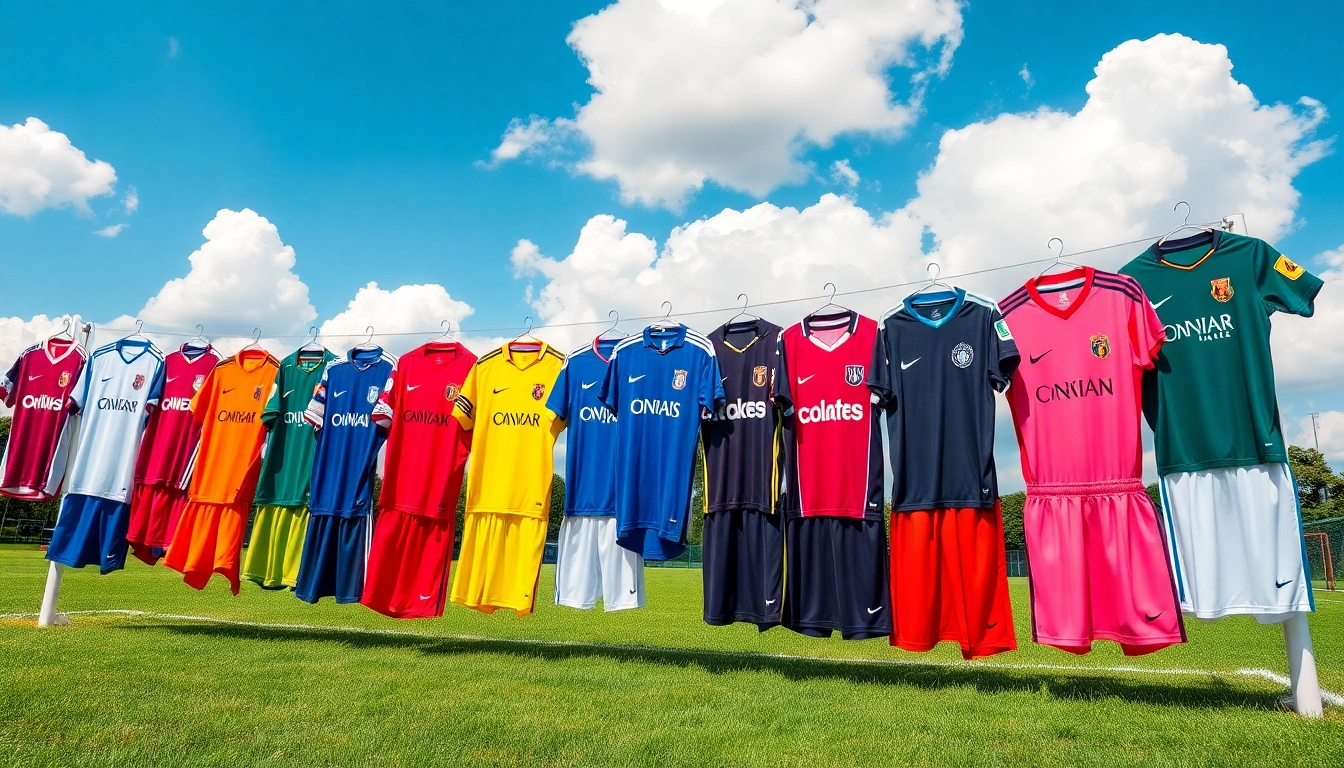
Understanding Football Kits: A Comprehensive Guide
Football kits are essential components of the beautiful game, serving not only as uniforms for players but also as representation of team identity, culture, and fandom. Whether you're a player, a coach, or a devoted fan, football kits play a pivotal role in the experience of the sport. This guide will delve into the definition, purpose, and historical evolution of football kits while exploring their components and the various features that make them indispensable for performance and style.
Definition and Purpose of Football Kits
At their core, football kits comprise the clothing worn by players during matches, typically consisting of jerseys, shorts, and socks. In addition to serving a practical purpose, they symbolize the identity of a team, creating unity and fostering loyalty among fans. The design of football kits often reflects the club's colors, logo, and sometimes even regional affiliations, acting as both a fashion statement and a rallying point for supporters.
Components of a Typical Football Kit
A typical football kit is made up of several key components:
- Jersey: The centerpiece of the kit, usually featuring a team crest, player name, and number. The jersey is made with breathable materials to ensure player comfort during intense physical activity.
- Shorts: Paired with the jersey, shorts are designed for freedom of movement and often include moisture-wicking properties.
- Shin Guards: Although not often considered part of a kit, shin guards are crucial for protecting players during the game.
- Socks: Socks keep the shin guards in place and complete the look of the kit. They are typically made from stretchy materials to allow for ease of movement.
Historical Evolution of Football Kits
The history of football kits dates back to the late 19th century, originally crafted from heavy materials like wool and cotton. Early kits were simple in design, often resembling regular clothing rather than specialized sportswear. Over the decades, advancements in fabric technology and changes in fashion have influenced kit design. The introduction of synthetic materials in the late 20th century led to lighter, more durable kits that improved player performance. Today’s kits are designed with both functionality and visual appeal, making them a staple of team culture as well as a stylish statement.
Choosing the Right Football Kits for Performance
Selecting the right football kit is crucial for players aiming to maximize performance on the field. Factors such as material selection, fit, and adaptability to weather conditions can significantly influence comfort and effectiveness.
Material Selection for Comfort and Breathability
Materials used in the construction of football kits are pivotal. Modern kits are typically made from a blend of polyester and elastane, which offer durability and stretch. Breathable fabrics are essential, as they wick away sweat and regulate body temperature, ensuring that players remain comfortable during intense matches. Some brands are now incorporating advanced moisture management technologies that enhance these properties.
Fit and Cut: Enhancing Performance on the Field
The fit of a football kit plays a significant role in a player’s range of motion. Kits are available in tailored cuts or looser fits; the choice depends on personal preference and playing style. A fitted jersey can reduce drag, while a looser cut can enhance airflow. It is commonly recommended for players to try on different styles to determine which enhances their mobility without compromising comfort.
Considerations for Weather Conditions
Football kits must not only cater to performance but also withstand varying weather conditions. For colder climates, layering is essential. Teams often opt for thermal undergarments or long-sleeved jerseys made from heavier materials for additional warmth. Conversely, in hot weather, kits designed with lightweight, breathable fabrics are essential to prevent overheating, allowing players to maintain peak performance levels.
Football Kits for All Ages: Kids to Adults
Football kits come in a variety of designs and sizes tailored for all age groups, from youth programs to adult leagues. Choosing the right kit can make a significant difference in both performance and player satisfaction.
Design Trends in Youth Football Kits
Youth football kits are often vibrant in design to attract young players and instill a sense of excitement about the game. Bright colors and engaging patterns can play a role in enhancing the experience for children, allowing them to connect with their favorite teams. Additionally, youth kits often include features that accommodate growth, ensuring they can be worn for multiple seasons.
Affordable Options vs. Premium Quality Football Kits
When selecting football kits, budget plays a critical role. Affordable kits may provide basic functionality, while premium options offer advanced materials and design features tailored for performance enhancement. It is often prudent for buyers to weigh their budget against the frequency of use and level of competition to decide on the best investment.
Personalization and Customization Trends
Personalized football kits have gained immense popularity, allowing players and fans to add names, numbers, and unique designs. Customization adds to the emotional value of the kit, making it a treasured item, particularly among fans who want to show support for their favorite players. This trend provides teams with an opportunity to enhance their brand by offering supporters a more personalized experience.
Environmental Impact of Football Kits Production
The production of football kits has a significant impact on the environment, leading to a growing focus on sustainable practices in the industry. As consumer awareness of ecological issues rises, brands are under increased pressure to adapt their manufacturing processes.
Sustainable Materials and Ethical Practices
The evolution of sustainable materials—including recycled polyester and organic cotton—has begun to shape the future of football kit production. By minimizing the carbon footprint and fostering eco-friendly practices in the supply chain, brands can contribute positively to environmental health. Ethical practices are also gaining ground, with many manufacturers ensuring fair labor conditions in their factories.
The Role of Brands in Environmental Responsibility
Brands that openly embrace sustainable practices not only improve their reputation but also capture a growing market segment that prioritizes eco-friendliness. Their commitment to environmental responsibility can set precedents within the industry, encouraging others to follow suit. Collaborative efforts with environmental organizations often enhance transparency and accountability in production practices.
Consumer Awareness and Eco-Friendly Choices
As consumers become more discerning regarding their purchases, understanding the environmental implications of football kits is crucial. Buyers are increasingly seeking out those brands that prioritize sustainability. Awareness campaigns about the importance of reducing environmental impact help empower consumers to make better choices, preferring products that are not only stylish but also environmentally responsible.
Future Innovations in Football Kits
The future of football kits holds immense potential for innovation, particularly in the areas of technology and design. Advancements are set to reshape how kits are designed, produced, and utilized.
Technology in Fabric and Design
New fabric technologies are developing rapidly, leading to kits that can regulate temperature, enhance moisture management, and even offer UV protection for players. Digital printing techniques are allowing for more intricate designs without compromising the quality of the fabric. As technology continues to advance, the incorporation of smart features into football kits may soon be on the horizon.
Smart Football Kits: The Role of Wearable Tech
The integration of wearable technology within football kits is becoming increasingly relevant, with designs that monitor player performance and health metrics. Smart jerseys equipped with sensors can collect data on heart rate, speed, and distance covered. This data can be invaluable for coaches and analytics teams, providing insights that can enhance player training and game strategies.
Impact of Emerging Trends on Fan Culture
The evolution of football kits is not just limited to players but extends to fans as well. With the rise of virtual reality and augmented reality experiences, fans can engage with their teams and kits on deeper levels than ever before. The blending of technology and fan culture continues to reshape how football is experienced, from personalized interaction with clubs to immersive match-day experiences.