
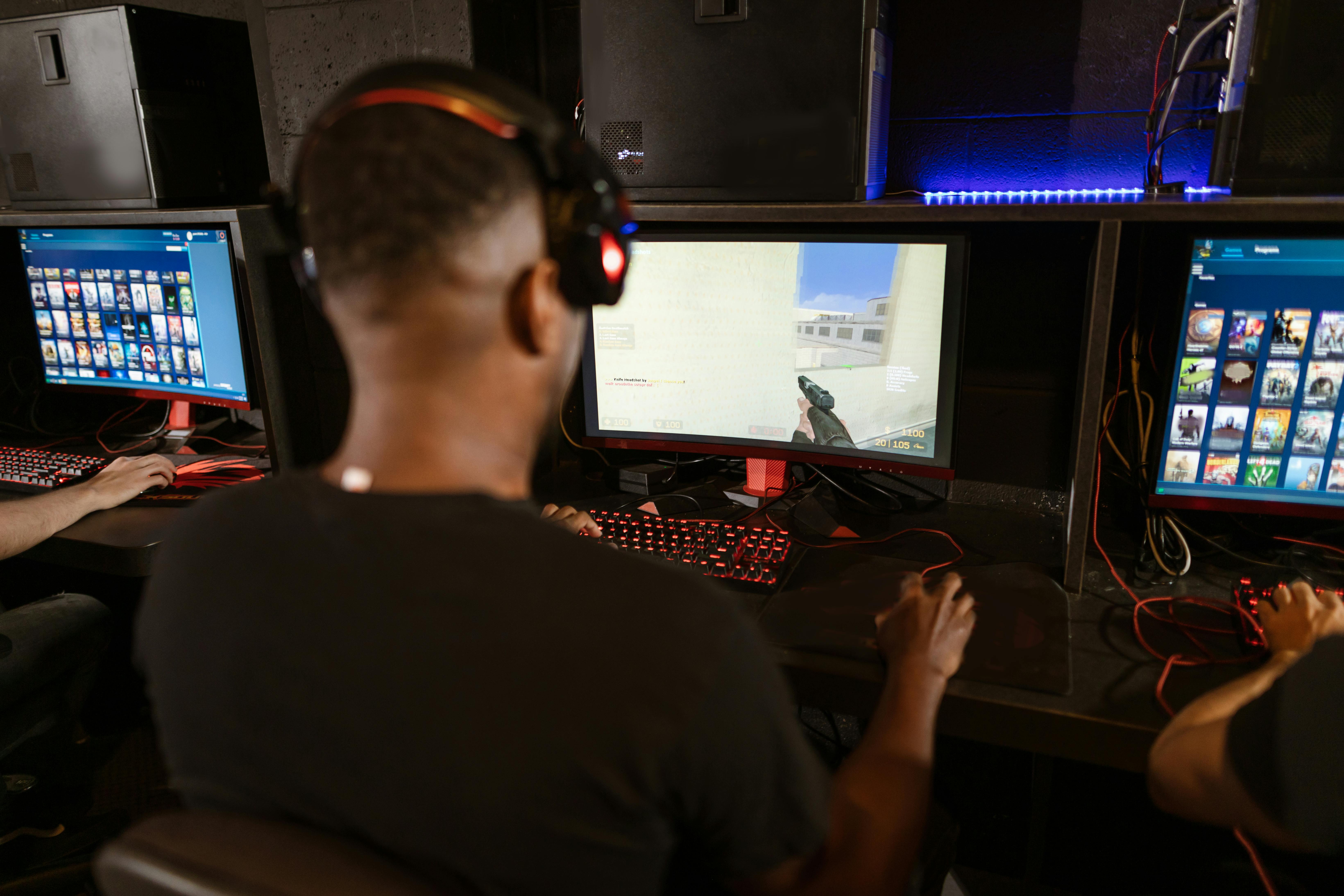
In the fast-paced world of game development, delivering a polished and bug-free product is essential to stand out in a competitive market. Studios face immense pressure to meet deadlines while maintaining high-quality standards. This is where outsourced game testing becomes a valuable solution. By leveraging external expertise, studios can ensure their games are thoroughly tested, bugs are minimized, and players receive a seamless gaming experience. In this article, we will explore the key benefits of outsourced game testing for studios and why it has become a strategic choice for developers worldwide.
1. Cost Efficiency
One of the most significant advantages of outsourced game testing is cost efficiency. Maintaining an in-house testing team can be expensive due to salaries, training, and infrastructure requirements. Outsourcing allows studios to access a skilled testing workforce without the overhead costs of permanent employees. This model is particularly beneficial for small to mid-sized studios that need quality assurance but have limited budgets. By choosing outsourced game testing, studios can allocate their resources more effectively to other critical areas of development.
2. Access to Specialized Expertise
Outsourced testing providers often employ professionals who specialize in different types of testing, including functionality, compatibility, performance, and security testing. This specialized expertise is difficult for most studios to maintain internally. Outsourced game testing ensures that your game is tested from multiple angles by experienced testers who are familiar with industry standards and best practices. This level of scrutiny helps identify issues that could negatively impact user experience and game performance.
3. Faster Time-to-Market
Meeting tight deadlines is a constant challenge in game development. Outsourced game testing can significantly speed up the testing process. External testing teams can scale their efforts according to project requirements, enabling parallel testing across multiple devices and platforms. This accelerated workflow helps studios identify and fix issues quickly, ultimately reducing the overall development cycle. Faster testing means your game can reach the market sooner, giving you a competitive edge in the industry.
4. Enhanced Objectivity
Internal testing teams may sometimes overlook certain issues due to familiarity with the game or internal biases. Outsourced game testing provides an objective perspective. External testers approach the game as end-users would, uncovering glitches, usability problems, and performance bottlenecks that in-house teams might miss. This unbiased assessment ensures a more accurate evaluation of the game’s quality before release.
5. Flexibility and Scalability
Game development projects vary in size and complexity, often requiring different levels of testing at various stages. Outsourced game testing offers studios the flexibility to scale testing efforts up or down based on project demands. Whether it’s a small mobile game or a large multiplayer title, outsourcing allows studios to adjust resources quickly without the logistical challenges of hiring and training new staff. This adaptability is crucial for managing peak workloads and meeting critical deadlines.
6. Comprehensive Device and Platform Coverage
With the diversity of gaming platforms available today—from PCs and consoles to mobile devices—ensuring compatibility across multiple systems is essential. Outsourced game testing teams often have access to a wide range of devices and platforms, allowing for extensive compatibility testing. This comprehensive coverage ensures that your game performs optimally across all intended environments, reducing the risk of negative user experiences and poor reviews.
7. Focus on Core Development
By outsourcing testing, studios can focus their internal teams on core development tasks such as game design, storytelling, and feature implementation. Outsourced game testing handles the meticulous and time-consuming process of identifying bugs and performance issues, freeing developers to innovate and enhance gameplay. This division of labor improves overall efficiency and ensures that the final product meets both quality and creative standards.
8. Risk Reduction
Releasing a game with unresolved bugs or performance issues can damage a studio’s reputation and lead to financial losses. Outsourced game testing minimizes this risk by providing thorough and systematic testing throughout the development cycle. By catching potential issues early, studios can prevent costly post-launch patches and negative user feedback, ensuring a smoother release and better player retention.
9. Continuous Improvement and Feedback
Professional outsourced game testing services often provide detailed reports, analytics, and feedback on various aspects of the game. This continuous stream of insights helps studios refine gameplay, enhance user experience, and make data-driven decisions for future projects. Regular feedback from experienced testers ensures that each iteration of the game meets high standards of quality and performance.
Conclusion
In conclusion, outsourced game testing offers studios a strategic advantage by providing cost efficiency, specialized expertise, faster time-to-market, objectivity, flexibility, and comprehensive platform coverage. It allows internal teams to focus on creative development while reducing the risks of bugs and performance issues. With professional outsourced testing, studios can ensure a polished, high-quality gaming experience that meets player expectations and strengthens their reputation in the competitive gaming industry. By integrating outsourced game testing into the development process, studios can optimize resources, improve efficiency, and ultimately deliver games that captivate and satisfy their audience.