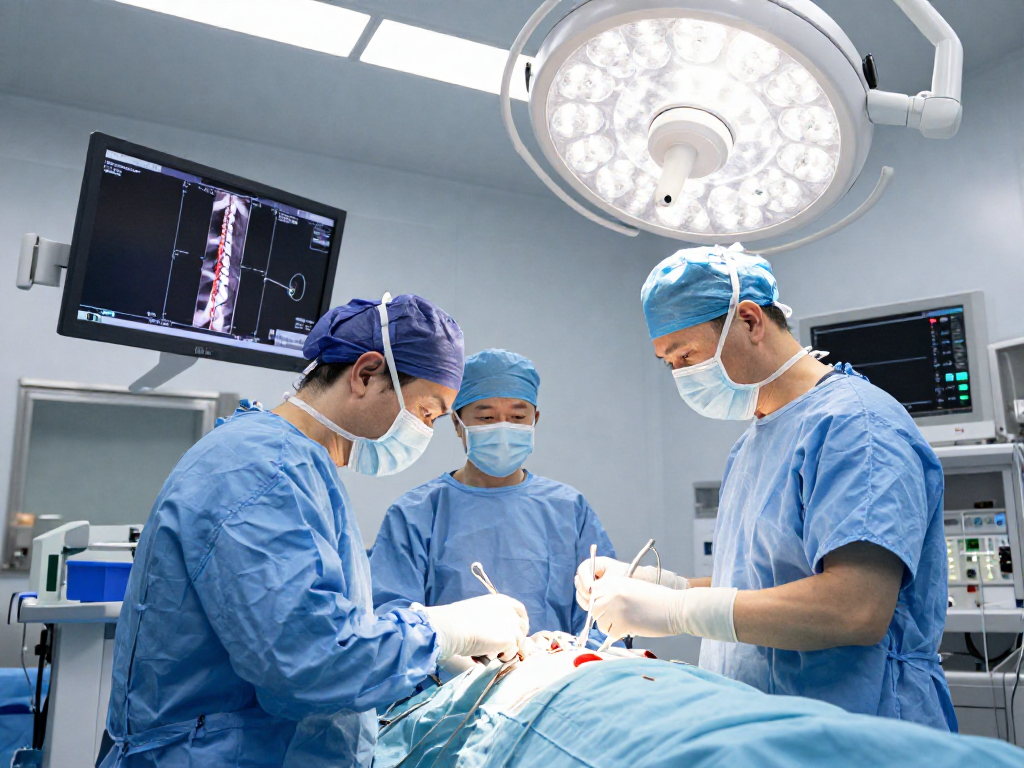
Understanding Dar Kanal Ameliyatı
The Dar kanal ameliyatı, or spinal stenosis surgery, is an essential procedure for addressing the narrowing of the spinal canal, which can lead to significant discomfort and mobility issues, particularly in older adults. This condition often manifests as pain, numbness, and weakness in the legs along with reduced walking distance, adversely affecting one's quality of life. As the aging population increases, so does the prevalence of spinal stenosis, making it crucial for patients to understand their treatment options and what to expect from the surgical process. In this comprehensive guide, we will delve into the necessities of this surgery, the types available, potential risks, and cost considerations to provide you with all the information you need when considering Dar kanal ameliyatı.
What Is Dar Kanal Ameliyatı?
Dar kanal ameliyatı is primarily conducted to relieve pressure on the spinal cord and nerves caused by the narrowing of the spinal canal. This condition, known as spinal stenosis, can arise from various factors such as age-related degenerative changes, herniated discs, or thickening of ligaments. During the surgical procedure, a surgeon can either remove bone spurs or parts of bones to widen the spinal canal and relieve nerve pressure. Through advancing surgical techniques, patients are now afforded different options tailored to their specific conditions.
Why Is the Procedure Necessary?
As the spine ages, wear and tear can lead to conditions that restrict space within the spinal canal. Dar kanal ameliyatı becomes necessary when these changes result in symptoms that significantly impair daily living. Patients often report debilitating pain, tingling, and weakness, which may necessitate surgery to restore function and alleviate discomfort. Intervention may also prevent further complications, such as permanent nerve damage.
Overview of Spinal Stenosis Symptoms
- Lower back pain: Often the first symptom, it can vary in intensity.
- Numbness or tingling: Frequently felt in the legs or feet.
- Weakness: May affect the ability to walk or stand for prolonged periods.
- Difficulty in walking: Patients may notice they can walk shorter distances.
Types of Dar Kanal Ameliyatı
Vidasız Kapalı Ameliyat (Minimal Invasive Method)
The vidasız kapalı ameliyat, or minimally invasive spine surgery, utilizes advanced techniques to operate through small incisions. During this procedure, surgeons can access the spinal column without significant disruption to surrounding muscles and tissues, which helps minimize recovery time and postoperative pain. The use of specialized instruments allows for targeted decompression of the spinal canal, significantly enhancing patient outcomes.
Vidalı Platinli Ameliyat (Instrumented Surgery)
In contrast, the vidalı platinli ameliyat involves the use of screws and rods to stabilize the spine after decompression. This method is generally recommended for patients with significant spinal instability or those who have undergone extensive decompression. The fixation aids in maintaining spinal alignment, promoting healing, and preventing future complications.
Comparison of Surgical Approaches
Both surgical approaches have their respective advantages and potential downsides. Minimally invasive techniques typically promise quicker recovery times and less postoperative discomfort, while the instrumented procedures may provide more structural support for patients requiring stabilization. The choice between these methods should consider individual health circumstances and the extent of spinal stenosis.
Risks and Complications of Dar Kanal Ameliyatı
Common Post-Operative Complications
While generally safe, the dar kanal ameliyatı carries risks like any surgical procedure. Common complications may include:
- Infection: Risk of infection at the incision site or within the spinal canal.
- Bleeding: May occur and occasionally require additional interventions.
- Neurological deficits: Rarely, patients may experience new or worsening neurological symptoms following surgery.
- Spinal fluid leak: This can happen if the protective covering of the spinal cord is damaged during surgery.
Factors Leading to Revision Surgery
In some cases, patients may require revision surgery due to complications or incomplete resolution of symptoms. Factors that might contribute to the need for revision include:
- Persistent symptoms: If pain or neurological symptoms do not improve after the initial surgery.
- Recurrent stenosis: Narrowing can recur at the same or different spinal levels.
- Instability: Following decompression, instability in the spinal column may necessitate further surgical intervention.
How to Minimize Surgical Risks?
Patients can take steps to minimize risks associated with spinal surgery. These include:
- Choosing a qualified surgeon: Ensure your surgeon has extensive experience and positive outcomes with spinal surgeries.
- Pre-operative assessments: Comprehensive assessments can help identify any potential risks before surgery.
- Post-operative care: Following all post-operative instructions regarding activity levels, medication, and follow-up appointments is crucial.
Cost Considerations for Dar Kanal Ameliyatı
Pricing Structure in Turkey
The cost of dar kanal ameliyatı can vary, influenced by the surgical technique employed, the hospital facility, and the surgeon’s experience. In Turkey, this surgery's pricing structure is often reasonable compared to Western countries, making it an attractive option for both local and international patients seeking affordable healthcare solutions.
Insurance Coverage and Out-of-Pocket Costs
In Turkey, various health insurance plans cover spinal surgeries, but the extent of coverage may differ. Patients are encouraged to check with their providers about what is included and any potential out-of-pocket expenses they may incur. Understanding insurance policies can significantly alleviate financial burdens associated with surgical procedures.
Financial Planning for Patients
Patients considering dar kanal ameliyatı should proactively discuss costs with their healthcare providers and plan for all potential expenses. These include the surgery itself, post-operative care, rehabilitation, and any required follow-ups. Additionally, exploring financing options or payment plans offered by healthcare facilities may also provide needed flexibility.
Post-Operative Care and Recovery
What to Expect After Surgery?
Post-operative expectations can vary depending on the surgical technique used. Generally, patients can expect:
- Pain management: Pain is common after surgery but can often be managed effectively with medications.
- Initial mobility restrictions: Patients may be advised to limit physical activity for a certain period to promote healing.
- Follow-up appointments: Regular check-ups will be necessary to monitor recovery progress and manage any complications.
Physical Therapy and Rehabilitation
Engaging in physical therapy post-surgery is crucial for recovery. A structured rehabilitation program assists patients in regaining strength and mobility while preventing stiffness. Patients can expect to begin physical therapy within a few weeks after surgery, focusing on exercises tailored to their recovery progress.
Long-Term Outcomes and Lifestyle Adjustments
The long-term outcomes of dar kanal ameliyatı are generally positive, with many patients experiencing significant relief from symptoms. However, patients are encouraged to adopt healthy lifestyle changes, including regular exercise, maintaining a healthy weight, and engaging in preventative measures to protect spinal health moving forward.
Frequently Asked Questions About Dar Kanal Ameliyatı
Can Dar Kanal Ameliyatı Fail?
While the success rate for dar kanal ameliyatı is high, failures can occur, often due to improper patient selection or incomplete decompression. Continuous follow-up and monitoring are vital to ensure that any issues are addressed promptly.
What Are the Signs of Complications Post-Surgery?
Patients should be vigilant for signs of complications after surgery, including:
- Increased pain or discomfort that does not improve.
- Signs of infection, such as fever or redness at the incision site.
- Numbness or weakness that develops post-operatively.
How Long Is the Recovery Period?
The recovery period for dar kanal ameliyatı can vary based on individual health circumstances and the complexity of the surgery, typically ranging from a few weeks to several months. Adhering to the prescribed rehabilitation program can facilitate a quicker and smoother recovery.
Will I Need Additional Surgery in the Future?
While many patients do not require further surgery after dar kanal ameliyatı, some may experience new issues related to aging or existing conditions. Regular follow-ups with a healthcare provider can help identify any potential problems early.
What Lifestyle Changes Should I Consider After Surgery?
After undergoing dar kanal ameliyatı, adopting a healthy lifestyle is crucial. For more information, Dar kanal ameliyatı offers valuable insights. This includes maintaining a balanced diet, engaging in regular physical activity suited to one's condition, and ensuring adequate rest to support recovery.