The Beauty of Niche Hobbies
Defining Niche Hobbies
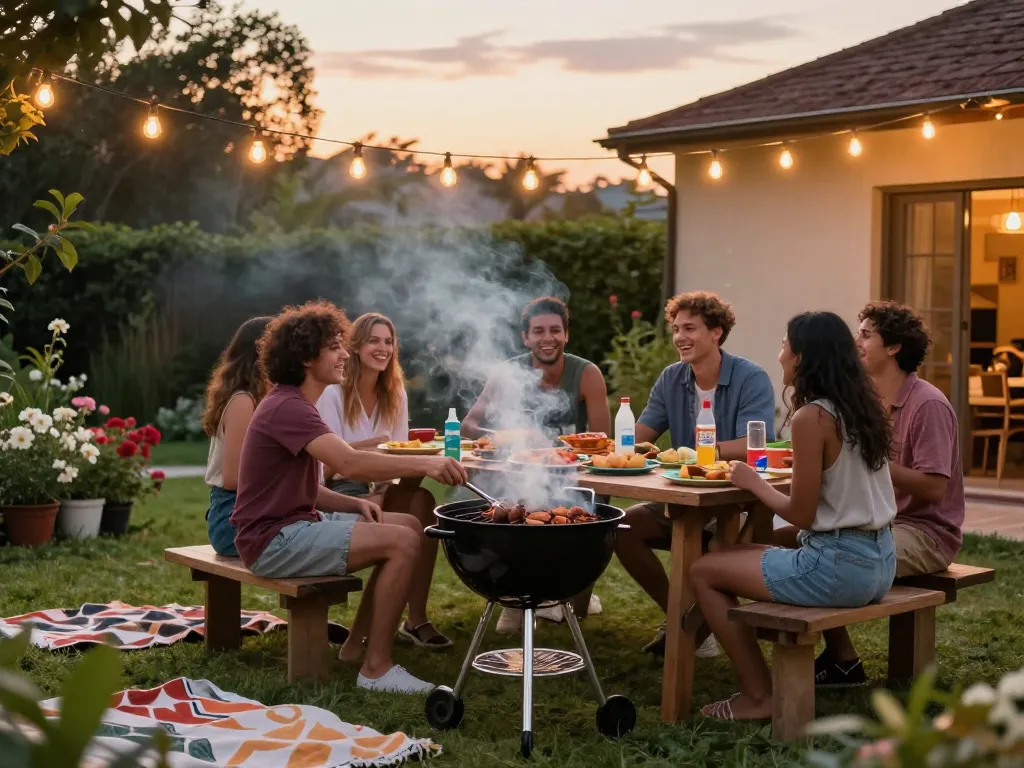
Niche hobbies are those specialized activities that engage unique interests and passions, allowing individuals to express themselves in distinctive ways. Unlike mainstream hobbies, which often attract a broad audience, niche hobbies cater to specific tastes and preferences. These pursuits can range from model train building to historical reenactments, showcasing the vast array of interests that people may find joy in. Such hobbies not only provide an outlet for personal expression but also create communities that share similar passions. Engaging in niche hobbies offers a sense of belonging, allowing individuals to connect with others who understand and appreciate their interests.
The Psychological Benefits of Pursuing Niche Hobbies
Engaging in niche hobbies can foster mental well-being and emotional health. The psychological benefits include improved focus, enhanced creativity, and a greater sense of accomplishment. When one dedicates time to a hobby they are passionate about, it engenders a state of flow—an immersive experience where time seems to stand still. This state can help alleviate stress, reduce anxiety levels, and even alleviate symptoms of depression. Furthermore, mastering a niche hobby can boost self-esteem, as individuals see tangible results of their efforts, whether it’s perfecting a technique or reaching a specific goal.
Examples of Popular Niche Hobbies
There are countless niche hobbies that enthusiasts engage in, showcasing just how diverse interests can be. Here are a few examples:
- Flint Knapping: The art of shaping stone tools and weapons, steeped in prehistory, attracts many who appreciate ancient techniques.
- Geocaching: This modern treasure hunt utilizes GPS technology, allowing participants to seek hidden containers throughout the world.
- Miniature Gaming: Creating and painting miniature figures for tabletop games is a popular and intricate hobby.
- Urban Exploration: Exploring abandoned buildings and urban sites offers a thrill and the opportunity to document forgotten places.
- Kombucha Brewing: Crafting this fermented tea drink has gained popularity, turning participants into proud home brewers.
How to Discover Your Niche Hobbies
Self-Assessment Techniques
Finding your ideal niche hobby starts with self-reflection. Consider what activities excite you and what skills you want to develop. Asking yourself questions like, “What do I enjoy doing in my free time?” or “What topics do I often research?” can help identify your interests. Additionally, taking personality tests or quizzes focused on hobbies can uncover hidden passions. Journaling about what brings you joy and satisfaction creates an inventory of your interests, guiding you toward a niche hobby that resonates.
Exploring Local Communities
Engaging with local communities can also lead to discovering niche hobbies. Attend workshops, meetups, or local events centered around potential interests. Libraries, community centers, and hobby shops often host classes and gatherings that can expose you to new pursuits. Interacting with like-minded individuals can provide inspiration and motivation, leading to the discovery of hobbies you might not have considered on your own. Building connections with others who share your interests can also enhance your enjoyment of the hobby.
Online Resources for Inspiration
The internet is a treasure trove of information and inspiration for those seeking niche hobbies. Websites, forums, and social media platforms are filled with communities discussing various interests. Video tutorials on sites like YouTube or blogs dedicated to specific hobbies can expose you to new possibilities. Reddit communities often have threads dedicated to niche hobbies where enthusiasts share experiences, challenges, and tips, making it easier to dive into something unfamiliar.
Getting Started with Niche Hobbies
Essential Tools and Materials
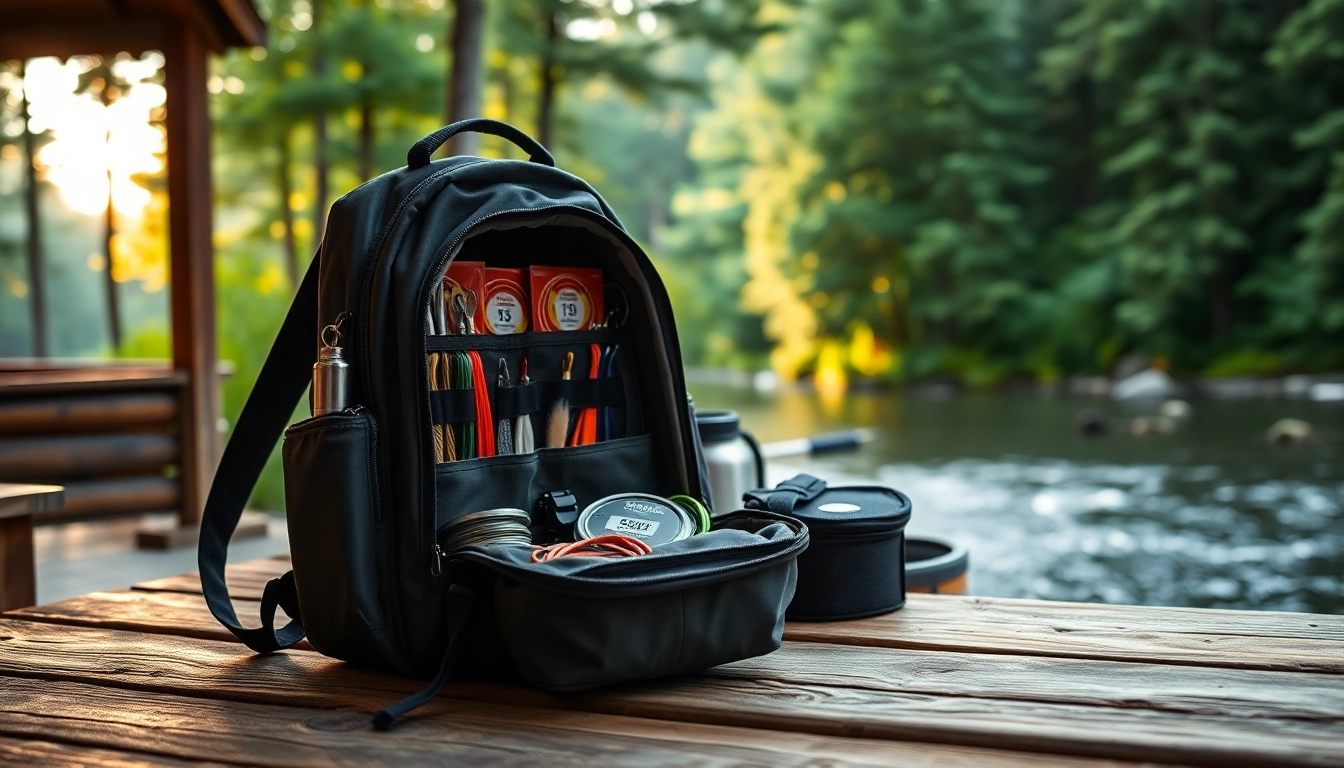
Once you've identified a niche hobby that resonates with you, gaining a clear understanding of what tools and materials you’ll need is essential for success. Research the basic requirements for your chosen hobby, whether it’s art supplies for painting, cooking gadgets for culinary pursuits, or crafting tools for DIY projects. Start with economical options as you explore and decide how committed you are to the hobby. Over time, you can invest in higher-quality materials that enhance your experience.
Setting Realistic Goals
Setting specific, attainable goals helps maintain motivation as you delve into your new hobby. Break down larger goals into smaller milestones that can be achieved progressively. For example, if you're learning to knit, your initial goal could be to complete a single square before tackling a whole project. Celebrate these small victories to encourage continued commitment to your hobby. Regular reflection on your progress not only boosts morale but also helps you recognize areas where you can improve.
Finding a Community
Communities play an integral role in enjoying niche hobbies. They often provide support, resources, and camaraderie among enthusiasts. Joining online forums, participating in local clubs, or attending workshops can connect you with fellow hobbyists. Community involvement not only enhances your learning experience but can also form lasting friendships. Shared experiences within these communities can lead to collaborative projects, making your hobby even more enriching.
Overcoming Challenges in Niche Hobbies
Time Management Strategies
One common challenge hobbyists face is finding time to engage in their interests amidst daily responsibilities. Effective time management is key to overcoming this hurdle. Consider setting aside specific blocks of time each week dedicated solely to your hobby. Prioritize this time as you would any other commitment. Additionally, breaking activities into smaller segments can make it less daunting to find opportunities to engage with your hobby, even amidst a busy schedule.
Budgeting for Your Hobby
Budgeting is crucial, particularly for those exploring niche hobbies that may involve costly equipment or materials. Before diving in, outline expected expenses and create a monthly budget to avoid overspending. Seek alternative, budget-friendly options without compromising the quality of your experience. Thrifting for materials or using recycled supplies can also provide unique opportunities while conserving resources. Participate in swaps or community exchanges to acquire new tools and materials at low or no cost.
Staying Motivated
Maintaining motivation is essential in pursuing a niche hobby. To stay inspired, set milestones or specific challenges that encourage growth. Surround yourself with positivity by following influential figures in your hobby's community on social media, engaging with their content, and participating in discussions. Document your journey through photographs or journaling, creating a visual and written record of your progress can also serve as a powerful reminder of your commitment and achievements.
Sharing Your Passion for Niche Hobbies
Documenting Your Journey
Sharing your journey can enhance your enjoyment of niche hobbies. Documenting your experiences through social media, blogs, or personal journals allows you to reflect on your progress while inspiring others. A dedicated online portfolio can showcase your creations, techniques, or insights. Sharing your passion not only solidifies your commitment but also opens the door for feedback and inspiration from others who share your interests.
Engaging on Social Media
Social media platforms provide a vibrant space for connecting with other hobbyists and sharing your passion. Participate in discussions, share photos of your progress, and seek advice from experienced practitioners. Engaging with the community can provide motivation, encouragement, and even collaborative opportunities. Utilize hashtags relevant to your hobby to reach a broader audience, attracting like-minded individuals enthusiastic about sharing their niche interests.
Hosting Local Events
Organizing local events can help foster a sense of community among hobbyists in your area. Consider hosting workshops, meet-and-greets, or themed gatherings that invite others to join you in your passion. These events can encourage learning and collaboration while also providing an opportunity to showcase the diversity within your niche hobby. Creating a local network enhances your overall experience, deepening your connection with the hobby and the people who engage in it.
FAQs about Niche Hobbies
What are some unique examples of niche hobbies?
Some unique niche hobbies include flint knapping, urban exploration, miniature gaming, and kombucha brewing, each offering distinctive experiences.
How can I find new niche hobbies to explore?
Explore your interests through self-assessment, participate in local community events, and utilize online resources to discover potential niche hobbies.
What tools do I need to start a niche hobby?
The tools vary greatly depending on the hobby; research your chosen interest to determine the essential materials and start with budget-friendly options.
How can I stay motivated in pursuing a niche hobby?
Set specific goals, engage with communities, document your journey, and follow others in your hobby for support and inspiration to stay motivated.
Is it expensive to maintain a niche hobby?
The cost of maintaining a hobby depends on the type but budgeting and using recycled materials can help manage expenses effectively.