Understanding Yoga Mudras
Definition and Significance of Yoga Mudras
Yoga mudras are precise hand gestures or seals originating from ancient Indian practices that channel energy flow, focusing intention, and promoting mindfulness and spiritual growth. Derived from the Sanskrit word "mudra," which means gesture or seal, each mudra serves specific purposes in enhancing physical, emotional, and spiritual well-being. They act as powerful tools within the broader spectrum of yoga, complementing postures, breathing exercises, and meditation practices. The significance of yoga mudras extends beyond mere hand positions; they represent the synergy of mind, body, and spirit, aligning with the holistic principles of yoga to foster inner balance and harmony.
Types of Yoga Mudras and Their Uses
There are numerous types of yoga mudras, each catering to different aspects of life and personal development. Common classifications include:
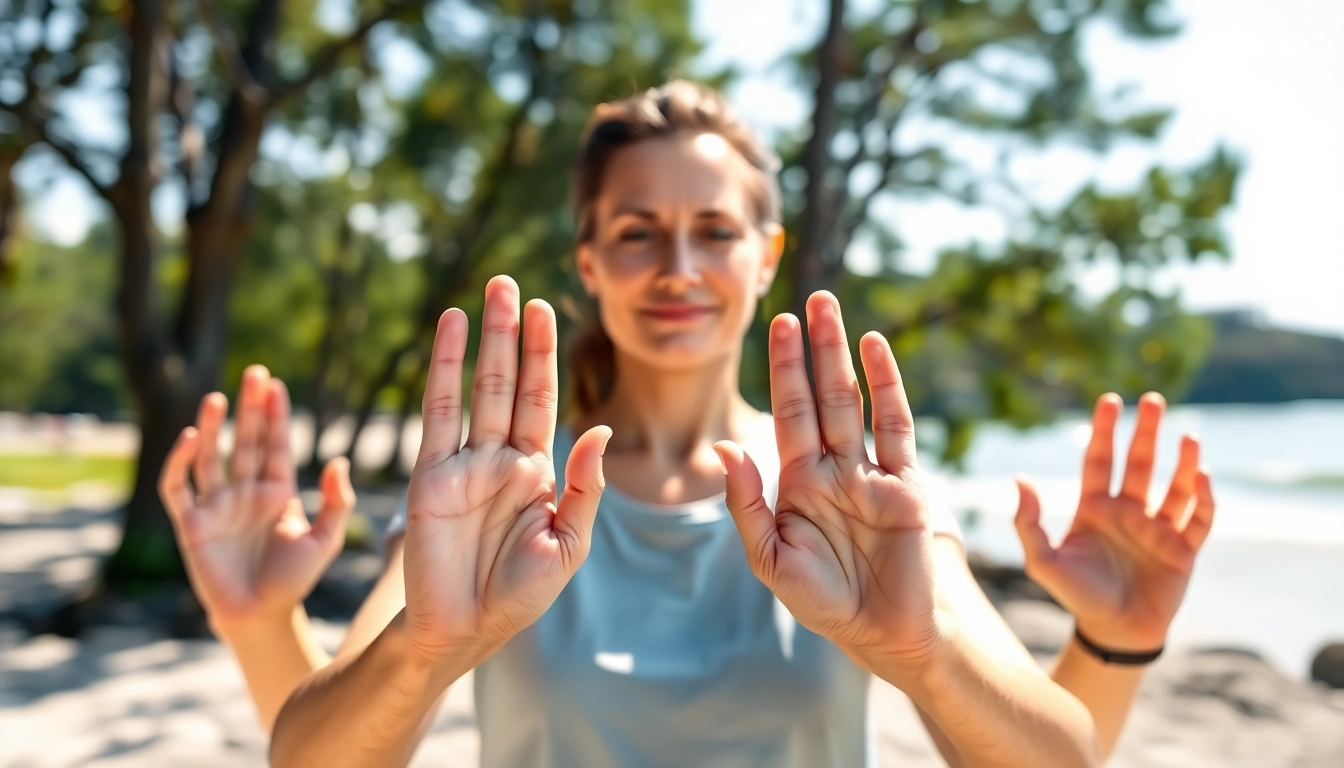
- Hand Mudras: These involve specific positions of fingers and hands, known to resonate with different elements and energies. Popular hand mudras include Gyan Mudra, Prana Mudra, and Apana Mudra.
- Body Mudras: These incorporate specific postures and alignments of the body, often used during meditation practices.
- Gesture Mudras: These encompass broader gestures or movements that can include the entire arm or body, facilitating communication within yoga practices.
How Yoga Mudras Influence Energy Flow
Practicing yoga mudras facilitates the movement of prana, or life force energy, throughout the body. Each mudra corresponds to specific energy channels and can activate different parts of our being. When correctly applied in conjunction with breath and meditation, mudras enhance our ability to focus and invigorate our energy levels. The simple act of positioning our hands in specific mudras can significantly impact our mental state, emotional well-being, and spiritual awareness. This flow of energy through mudras effectively synchronizes with other yoga practices, yielding profound benefits.
Benefits of Practicing Yoga Mudras
Physical Benefits of Yoga Mudras
Yoga mudras offer numerous physical benefits. They can help alleviate various health issues by promoting circulation, reducing stress, and enhancing overall physical vitality. Some key physical benefits include:
- Improved Circulation: Mudras like Prana Mudra stimulate blood flow, ensuring essential nutrients reach all body parts efficiently.
- Tension Relief: Mudras help release accumulated stress and tension in muscles, particularly in the hands and arms.
- Enhanced Respiratory Function: Specific mudras facilitate deeper and more balanced breath, which positively affects overall lung capacity and performance.
Mental and Emotional Advantages of Yoga Mudras
Beyond physical well-being, practicing yoga mudras fosters mental clarity and emotional stability. They serve as a bridge to harness focus while calming the mind. Key mental and emotional benefits include:
- Increased Concentration: Mudras help direct mental energy, enhancing focus during meditation and daily tasks.
- Stress Reduction: Engaging in mudra practice aids in alleviating anxiety and promoting a sense of calm.
- Improved Mood: Regular practice can uplift spirits and contribute positively to emotional health, contributing to an overall sense of happiness.
Spiritual Growth through Yoga Mudras
On a spiritual level, yoga mudras function as an essential tool for personal and spiritual development. By practicing mindfulness and directing energy through hand gestures, practitioners can achieve deeper states of understanding and awareness. The benefits of spiritual growth through yoga mudras include:
- Enhanced Meditation Experience: Integrating mudras helps ground the body, allowing practitioners to explore deeper layers of consciousness.
- Connection to Higher Self: Mudras aid in connecting with one's inner wisdom and intuition, guiding personal growth and spiritual exploration.
- Promotion of Mindfulness: Engaging in mudras cultivates a sense of presence, fostering a mindful approach to each moment.
Popular Yoga Mudras to Incorporate
Gyan Mudra: The Knowledge Mudra
Gyan Mudra, also known as the Knowledge Mudra or Gesture of Knowledge, is a simple yet powerful mudra that promotes mental clarity and intuition. To practice Gyan Mudra:
- Sit comfortably in a cross-legged position or any seated pose.
- Touch the tips of your index fingers to the tips of your thumbs, creating a circle, while keeping the other three fingers extended.
- Focus on your breath, visualizing energy flowing through your hands.
This mudra is particularly effective during meditation, aiding in tapping into inner wisdom and enhancing cognitive functions.
Prana Mudra: The Vital Life Force Mudra
Prana Mudra symbolizes the control of life force energy, known as prana, and is beneficial for overall vitality and energy levels. To practice Prana Mudra:
- Assume a comfortable seated position.
- Join the tips of your ring and little fingers with the tip of your thumb, extending the other two fingers outward.
- Close your eyes and focus on your breath, envisioning energy revitalizing your body.
Engaging in this mudra helps rejuvenate the body, increases vitality, and boosts immunity.
Apana Mudra: The Detoxifying Mudra
Apana Mudra is known as the detoxifying mudra, promoting elimination processes and overall inner balance. This simple practice can support digestion and detoxification when engaged properly:
- Sit in a comfortable cross-legged position or any seated pose.
- Join your middle and ring fingers with your thumb while keeping the other fingers extended.
- Focus on deep, cleansing breaths, visualizing toxins leaving your body.
Practicing Apana Mudra regularly encourages the body's natural detoxification processes and fosters a sense of clarity.
How to Practice Yoga Mudras Effectively
Setting the Right Environment for Yoga Mudras
The environment plays a crucial role in the effectiveness of yoga mudras. Creating a calming and focused atmosphere can significantly impact your practice. Consider these factors:
- Quiet Space: Choose a location free from distractions. A serene room or outdoor setting encourages mindfulness.
- Comfortable Temperature: Ensure the temperature is comfortable to avoid discomfort during your practice.
- Mindful Setup: Use a mat, cushion, or chair that allows you to sit comfortably in a grounded position.
- Aromatherapy: Utilize essential oils or incense to create a calming ambiance and enhance your overall experience.
Key Techniques for Enhancing Mudra Practice
To gain the most from your practice, consider implementing these key techniques:
- Practice Regularly: Consistency is vital. Aim for daily practice sessions, even if just for a few minutes.
- Focus on Breath: Synchronize your mudra practice with your breath. Deep, mindful breathing amplifies the benefits.
- Set Intentions: Before beginning your practice, set a clear intention to enhance focus, energy, or relaxation.
- Stay Present: As you engage in mudras, remain aware of sensations, thoughts, and feelings that arise, allowing them to flow without attachment.
Establishing a Daily Routine with Yoga Mudras
Incorporating yoga mudras into your daily routine can bring transformative benefits. Establish a practical schedule that aligns with your lifestyle:
- Morning Ritual: Start your day with a few minutes of mudra practice to set a positive tone for the day.
- Midday Break: Take short breaks throughout the day to reconnect with yourself using mudras; it can help boost energy levels.
- Evening Wind Down: Incorporate mudras into your evening meditation or relaxation routine to release the day's stress.
Consistency will yield cumulative benefits over time, enhancing your overall well-being.
Advanced Practices and Applications of Yoga Mudras
Combining Yoga Mudras with Meditation
Integrating yoga mudras with meditation can deepen your practice and promote a heightened state of awareness. Consider the following approach:
- Select a Suitable Mudra: Choose a mudra aligned with your meditation goals, such as Gyan Mudra for clarity or Prana Mudra for rejuvenation.
- Establish a Comfortable Posture: Sit comfortably, allowing your body to feel relaxed yet alert.
- Focus on Breath and Intention: As you breathe deeply, circulate your breath and energy through the selected mudra, visualizing any desired outcomes or emotions.
Using Yoga Mudras in Yoga Asanas
Incorporating yoga mudras during asanas can empower your practice, enhancing the flow of energy. For instance:
- Gyan Mudra in Sukhasana: While seated in the easy pose, engage in Gyan Mudra for enhanced focus during meditation.
- Prana Mudra in Warrior Pose: Introduce Prana Mudra during Warrior poses to promote energy and strength while grounding yourself.
- Apana Mudra in Child’s Pose: Engage in Apana Mudra while in Child’s Pose to support release and relaxation.
Utilizing mudras within your asana practice can significantly elevate the quality and effectiveness of your experience.
Evaluating the Impact of Yoga Mudras on Well-Being
For a comprehensive approach to wellness, regularly evaluate the impact of your yoga mudra practice. Consider these metrics:
- Emotional Awareness: Assess how your emotional state shifts before and after practicing mudras.
- Physical Changes: Monitor any changes in your physical health or vitality levels over time.
- Meditative Depth: Record the depth and quality of your meditation experiences when incorporating mudras.
- Energy Levels: Reflect on your overall energy levels throughout the day, noting improvements alongside regular mudra practice.
By consciously evaluating these elements, you can strengthen your commitment to consistent practice, nurturing a deeper connection to self and experience.