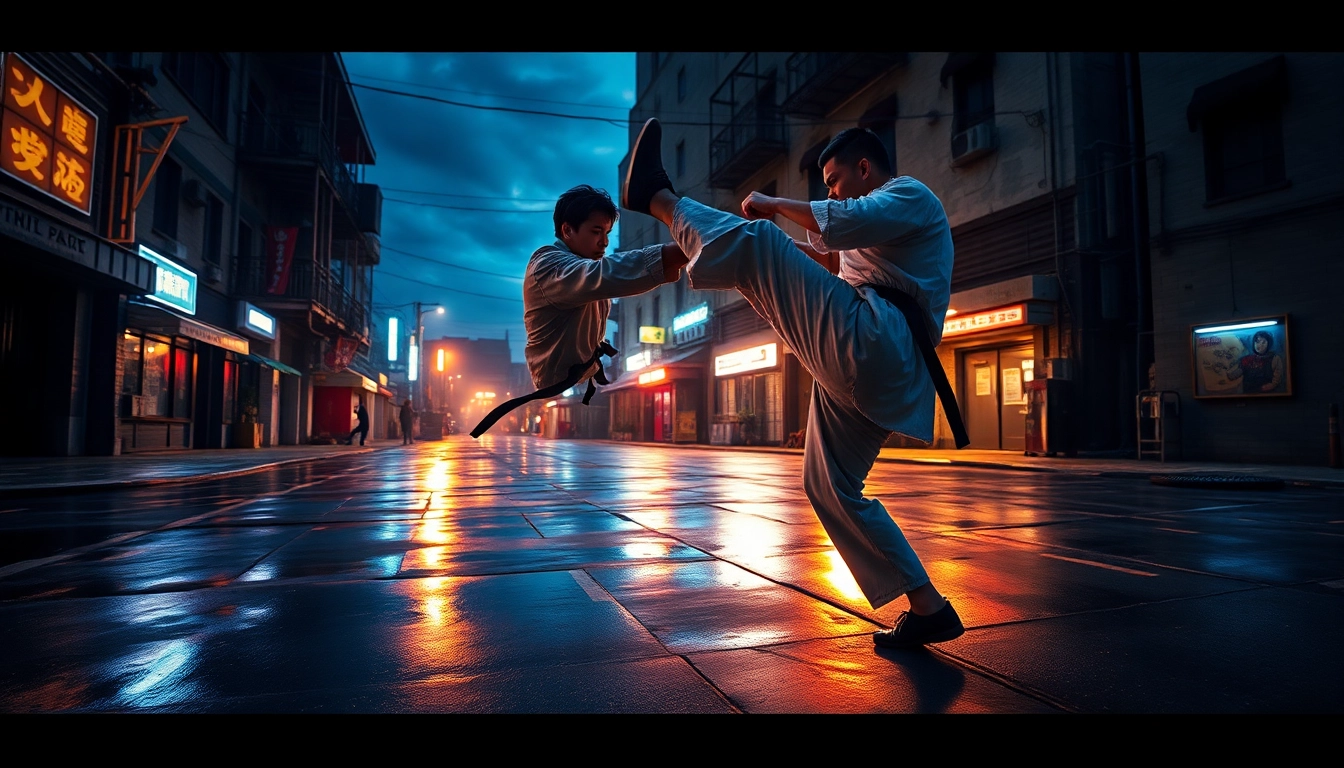
Understanding the Martial Arts Thriller Genre
Definition and Key Elements of Martial Arts Thriller
The Martial Arts Thriller genre merges the intensity of martial arts with the suspense of thriller narratives. At its core, this genre is characterized by its focus on high-stakes action infused with thrilling plot elements. Martial arts thrillers often involve a protagonist trained in combat disciplines who faces off against powerful adversaries, leading to adrenaline-pumping confrontations that serve not only as spectacle but also as essential plot devices.
Key elements typically found in these films include:
- High-Octane Fight Scenes: Central to the genre, these sequences showcase various martial arts styles, often choreographed to create a blend of artistry and raw action.
- Dynamic Protagonists: The heroes are usually well-trained martial artists, often embarking on personal quests for revenge, justice, or redemption.
- Complex Antagonists: The villains often possess equal or superior combat skills, creating tension and elevating the stakes in confrontations.
- Thrilling Plot Twists: Unexpected developments enhance the suspense, keeping audiences engaged in the unfolding narrative.
- Cultural Elements: Many martial arts thrillers pay homage to the martial art forms they depict, often incorporating cultural backstories and philosophical teachings that add layers to the storyline.
Historical Context and Evolution
The genesis of the martial arts thriller can be traced back to the rise of martial arts films in the mid-20th century. The genre gained significant traction through iconic figures such as Bruce Lee, whose groundbreaking films brought martial arts from the East to the West. Movies like "Enter the Dragon" not only showcased remarkable fight choreography but also laid the groundwork for intertwining action with seasoned storytelling, a hallmark of the martial arts thriller.
Throughout the 1980s and 1990s, the genre saw a resurgence with films like "Bloodsport" and "The Last Dragon," which merged martial arts with elements of drama and comedy, broadening its appeal. The advancement in film technology and choreography also allowed directors to create increasingly complex and visually stunning sequences, ushering in a new era of martial arts thrillers that blended cinematic techniques with traditional practices.
More recently, filmmakers have taken a fresh approach to the genre, incorporating modern filmmaking technologies and diverse storytelling methods, making martial arts thrillers more accessible and engaging to a contemporary audience. The inclusion of co-production with varied international talent has brought a global perspective, enriching the narrative possibilities of the genre.
Iconic Films and Their Impact
Several films have played critical roles in shaping the martial arts thriller genre. Films such as "The Raid" and its sequel redefined expectations for fight choreography and storytelling, establishing a benchmark for future projects. The intricate fight scenes, coupled with a riveting plot revolving around crime and survival, resonated with audiences globally and highlighted the genre's potential for deeper narrative exploration.
Another pivotal film, "Kill Bill," directed by Quentin Tarantino, underscored the fusion of various cinematographic influences, showcasing an array of martial arts styles within a richly woven narrative tapestry. Tarantino's homage to martial arts cinema not only introduced the genre to a new generation but also served as a critical commentary on revenge and redemption.
In recent years, films like "John Wick" have reinvigorated the genre by combining martial arts with gun-fu, leading to a renaissance in action filmmaking. This film established a cult following and illustrated how the martial arts thriller could evolve while maintaining its roots in the precise, dynamic combat forms that define its essence.
Crafting Compelling Characters in Martial Arts Thrillers
Protagonists: The Heroes of Action
In martial arts thrillers, protagonists serve as the moral center, embodying traits of resilience, honor, and determination. These heroes are typically presented with a backstory that informs their combat abilities, often rooted in personal tragedy or a quest for justice. For instance, characters like Chen Zhen in "Fist of Fury" and Beatrix Kiddo in "Kill Bill" reflect profound motivations that elevate their fights beyond mere physicality into personal narratives of empowerment.
When crafting these protagonists, filmmakers can draw upon archetypes from classic mythology, creating characters that resonate with audiences. The reluctant hero archetype is prevalent, characterized by an individual who must confront their fears and take action despite initial reluctance. This journey often includes mentorship from a more seasoned fighter, reinforcing the theme of growth through struggle.
Antagonists: Crafting Memorable Villains
Equally important to the protagonist is the antagonist, whose motivations and skills must parallel and challenge the hero's capabilities. Strong villains in martial arts thrillers can present as skilled fighters who embody the darker aspects of the protagonist's strengths. Films frequently depict antagonists with compelling backstories, illustrating how they diverged from the hero's path, which adds depth and context. Characters like O-Ren Ishii from "Kill Bill," with her rich narrative arc and combat skill, demonstrate how villains can become iconic figures in their own right.
Moreover, effective villains often possess qualities that make them relatable, even as they enact cruelty or violence. By providing them with a Cockroach narrative—suggesting influence from personal circumstances or loss—they become more than mere obstacles; they are reflections of what the hero could become should they stray from their path.
The Role of Supporting Characters
Supporting characters in martial arts thrillers can serve to enrich the protagonist's journey, provide comic relief, or present alternate viewpoints. Sidekicks or mentors often convey wisdom and skills, helping the main character navigate their challenges. Movies like "The Karate Kid" showcase the importance of mentorship, with Mr. Miyagi serving not only as a teacher of martial arts but also as a moral compass for Daniel.
Additionally, adversaries who later become allies can create unexpected dynamics within the narrative, teaching narratives around forgiveness and personal growth. This evolution in relationships adds complexity and provides opportunities for character development as protagonists grapple with trust and loyalty amidst chaos.
Plot Development in Martial Arts Thrillers
Building Tension and Suspense
The progression of a martial arts thriller often hinges on building tension through pacing and plot twists, allowing suspense to rise incrementally. This tension is typically established early on in the narrative, whether through an inciting incident that triggers the conflict or through perilous situations that place the protagonist in jeopardy.
Effective use of pacing can keep audiences on the edge of their seats. By interspersing slow-burn character development with explosive action sequences, filmmakers can maintain engagement. The escalation of conflicts, both internal and external, heightens the emotional stakes, making each confrontation more meaningful.
Integrating Fight Sequences into the Narrative
In martial arts thrillers, fight sequences are not just physical confrontations but serve as critical plot devices that push the narrative forward. An effective fight scene can convey character motivations, advance the plot, and create emotional resonance. Often, these scenes are used to reveal internal struggles—like overcoming fear or vengeance—thus integrating them seamlessly into the character arcs.
The choreography of fight scenes should reflect the emotional state of the characters. An intense scene, for instance, may feature frenetic movements and close-quarters combat that symbolize desperation, while a moment of clarity could be reflected in more fluid and graceful exchanges. Directors often use visual storytelling techniques, such as framing, camera angles, and editing, to convey these nuances effectively.
Creating a Satisfying Resolution
A martial arts thriller's ending must provide a resolution that responds to the narrative arcs and character journeys established throughout the film. This conclusion should feel earned and resonate with the audience’s expectations. Ideally, it should offer closure on the protagonist's journey, while also addressing the fate of the antagonist. The final confrontation serves not only as a climactic battle but also as a moment for characters to confront their fears and desires.
Moreover, a successful resolution may leave audiences with lingering questions or thoughts, enabling discussions about moral complexities and the human condition. The balance between closure and openness is crucial in reinforcing the thematic elements of the story while giving room for future developments—be it in sequels or spin-offs.
Choreography and Direction: The Heart of a Martial Arts Thriller
Understanding Fight Choreography Techniques
At the core of any martial arts thriller lies expertly choreographed fight scenes that blend seamless techniques with creative storytelling. Choreographers draw upon various martial arts styles—ranging from Kung Fu and Taekwondo to Muay Thai and Brazilian Jiu-Jitsu—to construct a diverse palette of movements that enhance both visual appeal and authenticity.
Mise-en-scène plays a pivotal role in martial arts choreography. Elements such as set design, props, and costume choices can influence the way fights are perceived and executed. Creative use of the environment allows for innovative fight scenes, incorporating elements like walls or furniture to amplify the stakes of the combat. This surroundings-based approach not only augments the choreography but also deepens audience investment in the action.
Elements of Effective Direction in Fight Scenes
The direction of fight scenes heavily influences their impact and the audiences’ perception of martial arts. Skilled directors achieve this through a combination of pacing, camera work, and the use of sound. Each of these elements must collaborate to convey energy and excitement.
Effective fight direction considers rhythm, matching the choreography’s pace with the film's overall tempo. Quick cuts can elevate tension, while longer takes encourage viewers to absorb the complexity of the movements. The placement of the camera can also bring audiences into the action or frame fights in a way that emphasizes the stakes involved.
Use of Cinematography to Enhance Action
Cinematography is crucial in amplifying the thrill of martial arts sequences. The use of wide shots allows audiences to appreciate the intricacies of the choreography, while close-ups can emphasize moments of impact or emotional intensity. Lighting, too, plays a significant role, as shadows can create mood and tension, while bright setups can showcase the beauty of the movements.
Special effects and post-production can additionally enhance the realism of action sequences. Techniques such as motion blur or slow motion provide an artistic effect that heightens dramatic moments and allows viewers to engage more deeply with the story's emotional aspects.
Audience Reception and Cultural Significance of Martial Arts Thrillers
Analyzing Viewer Expectations and Preferences
Understanding audience preferences is vital for creating successful martial arts thrillers. Viewers come with specific expectations shaped by prior experiences, cultural references, and film trends. Engaging audiences often involves striking the right balance between familiar tropes and innovative storytelling.
Surveys and box office data indicate that audiences appreciate complex narratives with well-developed characters. They expect satisfactory action scenes but also want to see personal stakes reflected throughout the film. The championing of themes such as loyalty, sacrifice, and personal growth resonates deeply with viewers and can elevate a standard action film into a thought-provoking masterpiece.
Global Influence of Martial Arts Thrillers on Cinema
The impact of martial arts thrillers extends beyond national boundaries, influencing cinema worldwide. Films originating from Asia have inspired countless western adaptations and have led to a growing hybridization of film styles. This blending fosters a cultural exchange among filmmakers and audiences alike, sparking excitement for both traditional martial arts and contemporary storytelling techniques.
The genre has also birthed a new generation of filmmakers and martial artists, encouraging interest in martial disciplines, leading to increased enrollment in martial arts schools globally. Events like film festivals showcase these narratives and allow for cultural introspection, bridging gaps between different audience demographics.
The Future of the Genre: Trends and Innovations
As the martial arts thriller genre evolves, several trends are shaping its future. The integration of technology, such as virtual reality (VR) and augmented reality (AR), provides new platforms for storytelling. This shift could allow audiences to engage with fight scenes in immersive ways, enhancing their experience of the narrative.
Moreover, the rise of streaming services has shifted the landscape for martial arts thrillers, providing filmmakers with broader distribution opportunities. With audiences increasingly favoring diverse narratives, the genre can explore intersections with other genres, including horror, sci-fi, and drama, yielding a new wave of innovative storytelling.
As global interconnectivity continues to rise, collaboration among international filmmakers will likely expand, driving forward fresh ideas and unique perspectives that will further enrich the martial arts thriller genre in upcoming years.