Understanding Steel Structure Design
Steel structure design is a critical field of engineering that combines principles of materials science, structural engineering, and architectural design. The design of these structures must account for various factors such as load, stability, and the inherent properties of steel as a material. Proper steel structure design ensures the integrity and safety of buildings and other constructions, making it a vital area of interest in modern engineering.
Defining Key Concepts in Steel Structure Design
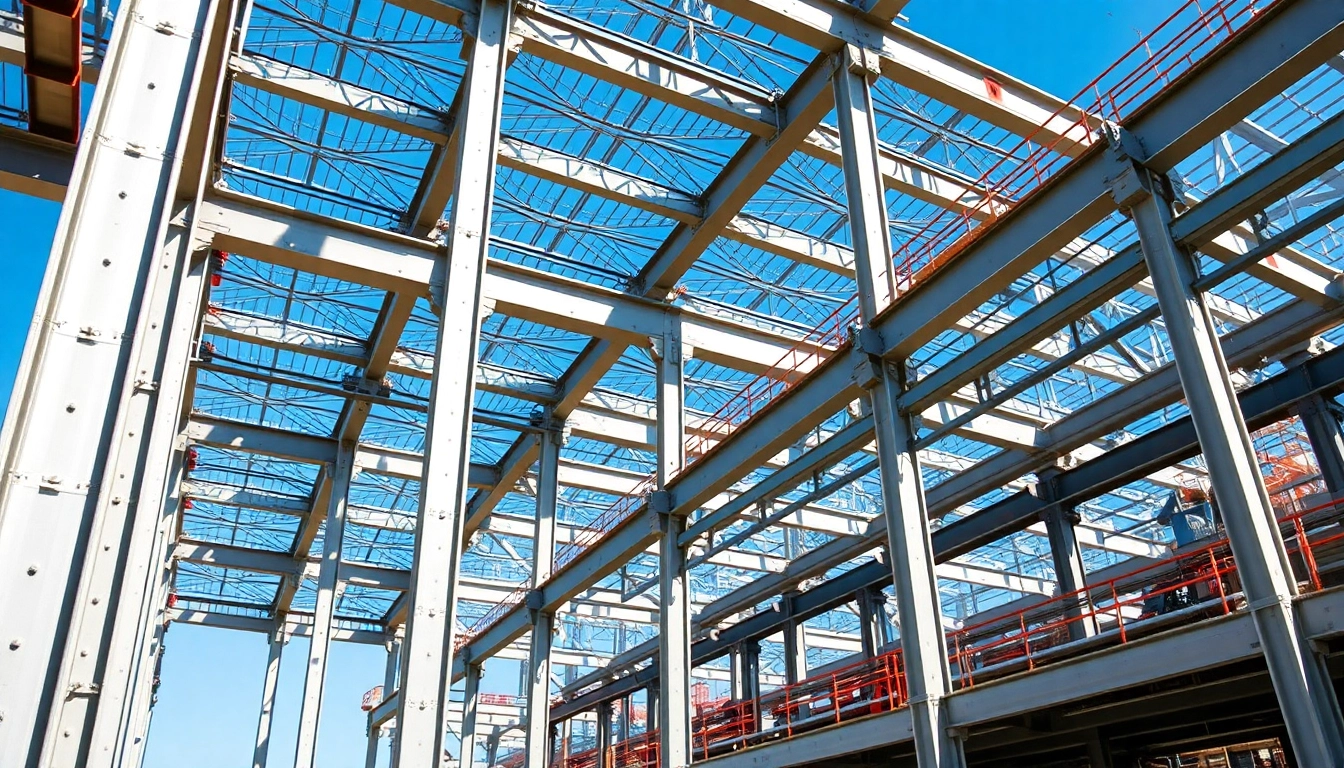
To appreciate the nuances of steel structure design, it's essential to understand the key concepts involved. Steel, as a construction material, is known for its high strength-to-weight ratio, which allows for the creation of lightweight yet durable structures. Design elements include beams, columns, connections, and joints, which must all work together to support the intended loads of the structure.
The design process typically involves several stages, beginning with conceptual design, where the initial ideas are translated into structural concepts. This phase involves the analysis of expected loads and the optimization of material use to ensure cost-efficiency without sacrificing strength or stability.
The Importance of Structural Integrity
Structural integrity refers to a structure's ability to withstand its intended load without failure. This involves understanding the potential loads an edifice will encounter—both static loads (such as the weight of the structure itself) and dynamic loads (forces that might change over time, like wind or seismic activity). Effective design enhances structural integrity by using the correct dimensions, materials, and safety factors, helping avert failures that could result in costly damages or loss of life.
Applications of Steel Structures Across Industries
Steel structures find applications across a multitude of sectors. In construction, they are dominant in commercial, industrial, and agricultural buildings due to their versatility and strength. In the transportation sector, steel is used for bridges, rail tracks, and airports. Furthermore, energy infrastructure like wind farms and power plants also heavily relies on steel construction, which supports heavy equipment and withstands environmental stresses.
Fundamental Principles of Steel Structure Design
Strength and Load Considerations
The considerations for strength in steel structure design are paramount. Civil engineers evaluate the loads as per design codes and standards such as those outlined by the American Institute of Steel Construction (AISC). Building structures must be designed to carry anticipated loads, which involve static loads like gravity and live loads such as occupancy. Any miscalculation can lead to catastrophic outcomes, so thorough analyses, including local and global analysis methods, are essential during the design stage.
Stiffness and Stability Requirements
Stiffness is critical in minimizing deflection under loads, which can impact not only the aesthetics of the building but also the comfort of its occupants. Steel has an inherent quality that makes it able to resist deflection well compared to other materials; however, appropriate design strategies must be employed to enhance this characteristic. Structural stability, which ensures that the building maintains its shape under various conditions, involves consideration of factors like lateral bracing systems, support connections, and the overall geometric configuration of the structure.
Material Properties and Specifications
Understanding the properties of steel is vital in the design process. Factors like yield strength, tensile strength, ductility, and corrosion resistance play significant roles in determining the appropriate type of steel and thickness required for different parts of a structure. For example, structural steel is often categorized into various grades, and selecting the right grade is critical for ensuring the long-term durability of the structure against environmental factors.
Methods and Approaches in Steel Structure Design
Simple vs. Continuous Design Methods
There are mainly two types of design methods—simple and continuous. Simple design methods are typically used for small-span structures. In this approach, beams are simply supported, and their reactions can be easily calculated, making this method less complex and more straightforward for initial designs. Conversely, continuous design methods involve more sophisticated calculations, as they consider multiple load paths and ongoing load transfer throughout different structural elements, creating increasingly resilient and adaptable designs.
Utilizing Advanced Software for Structural Design
Technology has significantly transformed steel structure design, particularly with the advent of advanced software. Programs such as AutoCAD, SAP2000, and Tekla Structures allow designers to create intricate models of their designs, simulate various load scenarios, and predict how different changes will impact the overall project. These realistic simulations improve the accuracy of designs and allow for more innovative solutions that would be impractical to assess using manual calculations.
Adapting Design for Sustainability and Efficiency
With the rise of sustainability concerns, engineering practices are pivoting towards greener designs. Steel is inherently recyclable, and emphasizing the reduction of waste during the manufacturing and design stages can contribute to more environmentally friendly practices. Designers are encouraged to explore energy-efficient materials, renewable energy sources for construction, and intelligent design features that minimize resources while maximizing utility and lifespan.
Best Practices for Crafting Steel Structures
Designing for Construction and Safety Standards
Adhering to local and international construction and safety standards is non-negotiable in steel structure design. Organizations like ANSI and ISO provide guidelines that help ensure designs meet legal requirements, fire safety codes, and other necessary regulations. Implementing these standards from the ground-up during the design process not only helps in compliance but significantly contributes to the longevity and safety of a building.
Common Challenges and How to Overcome Them
Designing steel structures comes with its unique set of challenges. For example, corrosion represents a significant threat to steel longevity. Utilizing corrosion-resistant materials, coatings, and appropriate design choices in humid or corrosive environments is crucial for prevention. Another challenge is weight management; as structures increase in size, maintaining structural integrity while minimizing weight becomes a puzzle. Effective material selection and design optimization can help navigate these common obstacles, ensuring both performance and reliability.
Quality Control Processes in Steel Fabrication
A well-structured quality control process in the fabrication of steel structures is essential. This involves rigorous testing, inspection, and adherence to fabrication standards. Fabricators must ensure that each component meets the specified tolerances and conditions to guarantee the overall integrity of the structure. Regular audits and reviews of the fabrication process help catch potential issues before they escalate into larger problems, assuring structural performance and safety.
Future Trends in Steel Structure Design
Innovative Techniques and Materials in Use
As the industry evolves, so too does the approach to steel structure design. Recent trends have seen a rise in the use of high-strength steel, which enables lighter designs while maintaining robustness. Additionally, the incorporation of composite materials—blending steel with other materials such as concrete—allows for more innovative structural solutions. The use of modular construction techniques is also becoming prevalent, allowing faster assembly and reduced waste during construction.
The Role of Technology in Modern Design
Technology continues to play a pivotal role in improving design efficiency and accuracy. Building Information Modeling (BIM) provides a platform where various stakeholders—from architects to contractors—can collaborate seamlessly, leading to enhanced communication and fewer errors. Innovations like 3D printing are beginning to emerge in fabrication, allowing for customization and rapid prototyping that traditional methods cannot match.
Case Studies: Successful Steel Structure Projects
Analyzing successful steel structures offers valuable insights into effective design principles. The Burj Khalifa in Dubai, for example, showcases how detailed structural planning, innovative methods, and advanced materials converge to create one of the tallest buildings in the world. Another notable project is the Sydney Harbour Bridge, which exemplifies robust design that has withstood the test of time through careful load management and material selection. Studying these case examples can guide current practices and inspire future innovations in steel structure design.