
Fly fishing is an exciting and rewarding hobby, but getting started can feel overwhelming, especially when it comes to selecting the right gear. For beginners, the right fly fishing kit can make all the difference in ensuring a smooth, enjoyable, and successful experience on the water. With so many options available, knowing what to look for in a fly fishing kit is crucial. This guide will walk you through the essentials, helping you choose the best fly fishing kit for your needs.
Understanding a Fly Fishing Kit
A fly fishing kit typically includes all the basic equipment a beginner needs to start fly fishing. This usually comprises a fly rod, reel, line, leader, tippet, and a selection of flies. Some kits may also include accessories like a landing net, fly box, and instructional materials. By purchasing a complete fly fishing kit, beginners save time and effort compared to buying individual components separately.
Choosing the Right Fly Rod
The fly rod is the centerpiece of your fly fishing kit, so selecting the right one is essential. Beginners should look for a medium-weight rod, usually in the 5 to 6 weight range, which offers versatility for various fishing conditions. A rod that is too heavy or too light can make casting difficult and reduce your overall enjoyment. Most beginner fly fishing kits include rods that are pre-matched to their reels and lines, making the selection process easier.
Selecting the Appropriate Fly Reel
The fly reel is another important component of any fly fishing kit. While it doesn’t play as active a role in casting, it is essential for managing line and fighting fish. For beginners, a simple, reliable reel included in your fly fishing kit will usually suffice. Look for a reel with a smooth drag system and balanced weight to complement the rod included in your kit.
Understanding Fly Line and Leaders
A proper fly line is crucial for accurate casting, and most fly fishing kits come pre-loaded with matched lines. Floating lines are generally recommended for beginners because they are easier to handle and allow for better control of your flies. Leaders and tippets, which connect the fly to the line, are also typically included in beginner fly fishing kits. Choosing a kit with pre-tied leaders can save you time and frustration while learning the basics.
Essential Accessories in a Fly Fishing Kit
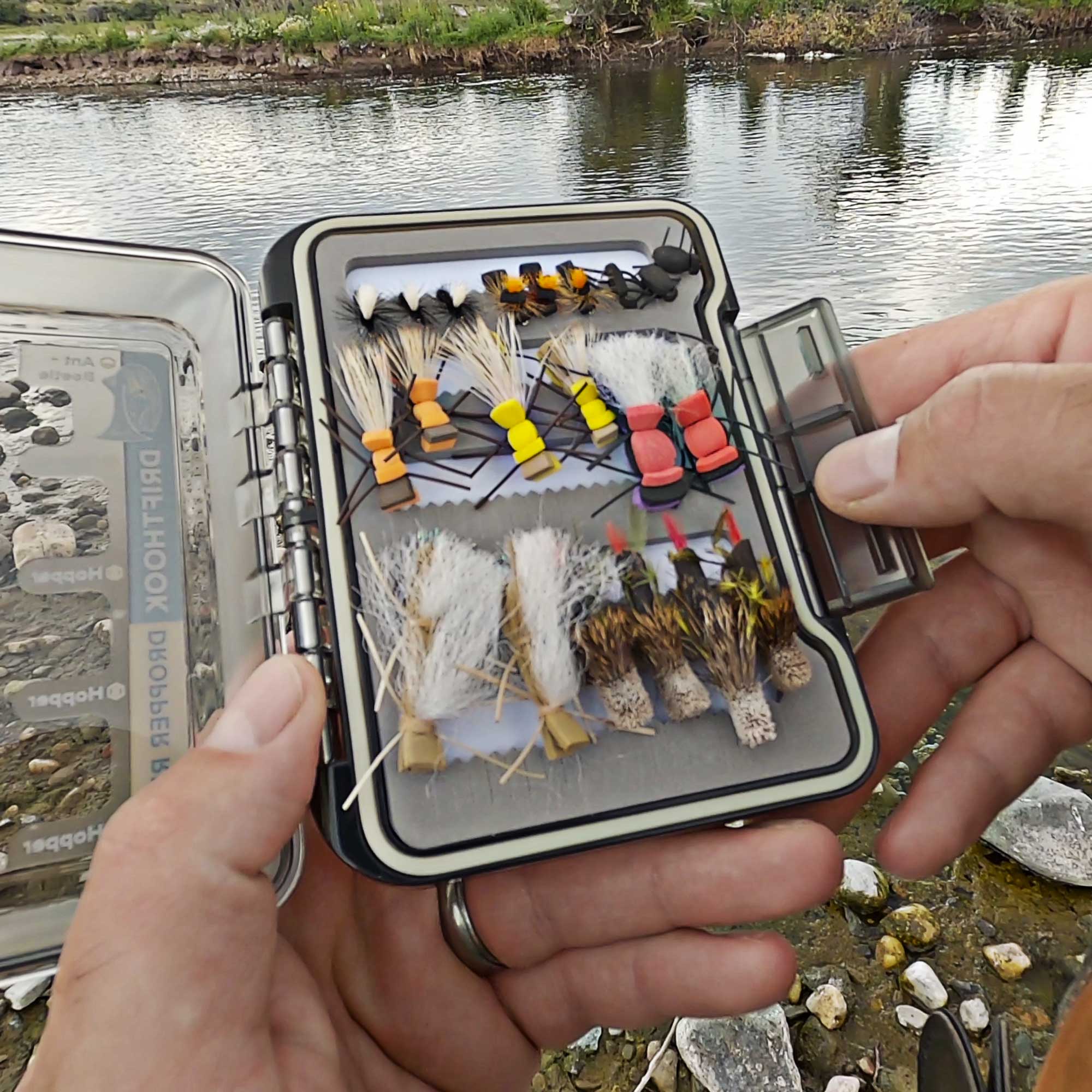
Beyond the rod, reel, and line, a well-rounded fly fishing kit often includes several useful accessories. A fly box with a variety of flies allows beginners to experiment and learn which patterns are most effective. A landing net, nippers, and a hook sharpener are convenient tools that enhance your fishing experience. Some kits even include a carrying case or backpack for easy transport. Investing in a fly fishing kit with these accessories ensures you are prepared for most situations on the water.
Tips for Beginners
When using your fly fishing kit, practice is key. Spend time learning how to cast properly, tie knots, and select the right flies for your environment. Many beginner fly fishing kits come with instructional guides or online tutorials, which can be extremely helpful for building confidence. Don’t worry about catching fish on your first day—focus on developing your skills and enjoying the process.
It’s also important to consider the type of water you will be fishing in. Some fly fishing kits are designed specifically for freshwater streams and rivers, while others can handle larger lakes or even saltwater environments. Matching your fly fishing kit to the intended fishing location will improve your experience and help you progress faster.
Benefits of Buying a Complete Fly Fishing Kit
One of the main advantages of purchasing a complete fly fishing kit is convenience. Instead of spending hours researching and buying individual components, a complete kit ensures all items are compatible and ready to use. This is especially valuable for beginners who may not yet know which brands or specifications work best. Additionally, a quality fly fishing kit can provide excellent value, often costing less than buying each item separately.
How to Maintain Your Fly Fishing Kit
Proper maintenance will extend the life of your fly fishing kit. Rinse your rod, reel, and line with fresh water after each use, especially if you’ve been fishing in saltwater. Store your kit in a cool, dry place to prevent damage. Regularly inspect the line, tippet, and flies for wear and replace them as needed. By taking care of your fly fishing kit, you ensure it remains reliable and enjoyable for years to come.
Choosing the best fly fishing kit for beginners is a critical first step in starting a successful fly fishing journey. By understanding the essential components, selecting the right rod and reel, and paying attention to accessories, beginners can confidently hit the water and focus on developing their skills. Investing in a quality fly fishing kit saves time, money, and frustration while providing a complete setup for a rewarding fishing experience. Remember to practice regularly, maintain your gear, and enjoy the process of learning this timeless sport. With the right fly fishing kit, every beginner can experience the thrill and satisfaction that fly fishing has to offer.