Understanding Hydraulic Cylinder Repair
What Are Hydraulic Cylinders?
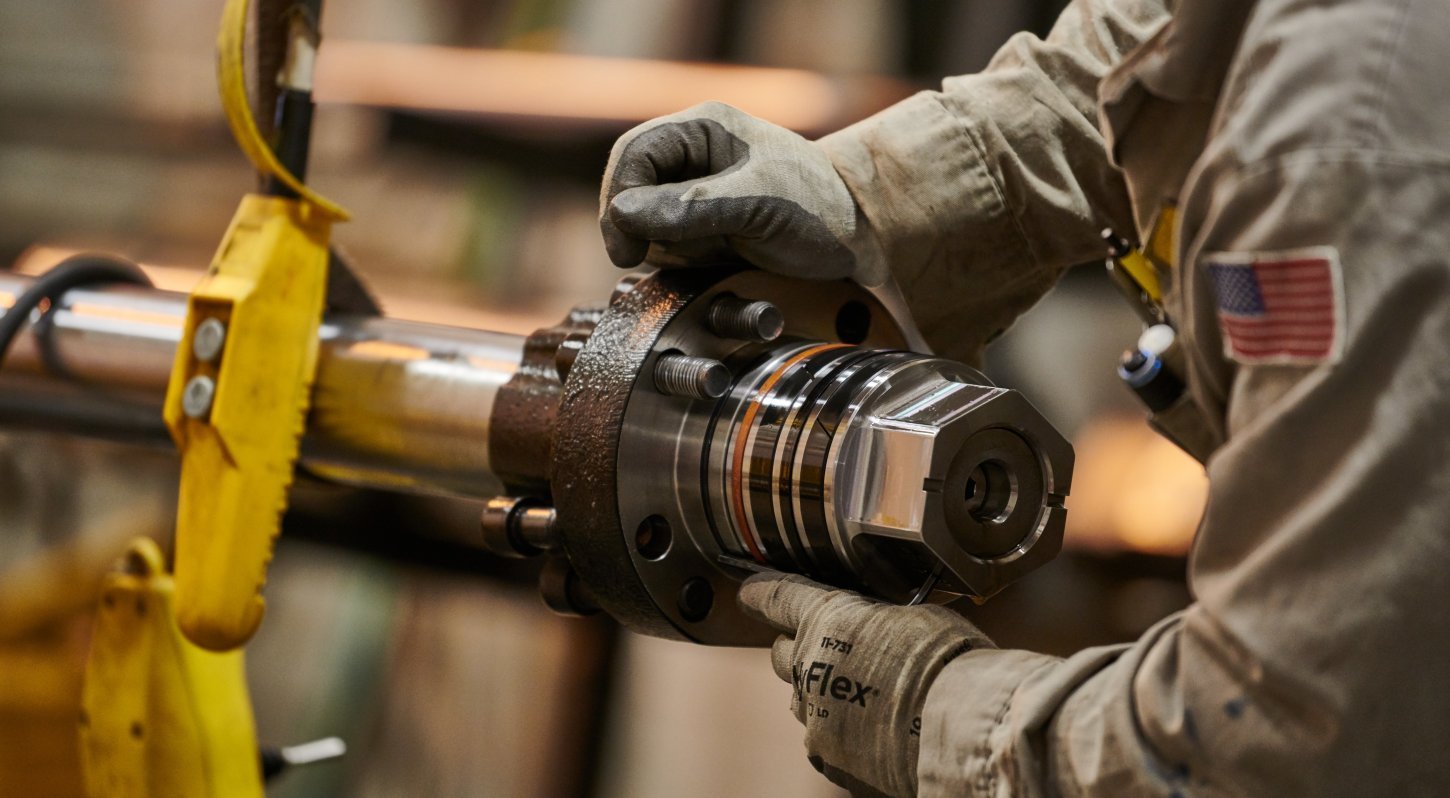
Hydraulic cylinders are crucial devices in numerous industries, converting hydraulic energy into mechanical energy to produce linear motion. They consist of a cylinder barrel, a piston, and a rod, which work together to apply force when hydraulic fluid is pushed into the cylinder. These components make hydraulic cylinders essential in applications like construction machinery, manufacturing equipment, and automotive systems.
Common Issues with Hydraulic Cylinders
Over time, hydraulic cylinders can experience various issues that impede their functionality. Some of the most common problems include:
- Leaks: Often caused by damaged seals or O-rings, leaks can lead to loss of hydraulic fluid and reduced performance.
- Scoring and Wear: The cylinder walls can become scored due to contaminants or lack of lubrication, degrading the efficiency.
- Piston Malfunction: The piston can jam or lose its fit within the cylinder, leading to inadequate force generation.
- Contaminated Fluid: Contaminants within the hydraulic fluid can cause severe damage to internal components.
- Improper Alignment: Misalignment can lead to uneven wear and potential failure of the cylinder.
Importance of Timely Repairs
Addressing hydraulic cylinder issues promptly is vital to prevent further damage and downtime. Timely repairs not only enhance operational efficiency but can also prolong the lifespan of the equipment. Ignoring small leaks or performance issues can escalate into larger, more costly repairs if not addressed quickly. Therefore, investing in hydraulic cylinder repair is essential for maintaining equipment reliability and safety.
Essential Tools for Hydraulic Cylinder Repair
Must-Have Repair Tools
Repairing hydraulic cylinders requires a specific set of tools to ensure effective and safe repairs. Below is a list of essential tools:
- Wrenches: Various sizes are required to loosen and tighten nuts and bolts.
- Seal Pullers: These tools help remove old seals without damaging the cylinder.
- Plumbing Cutters: Useful for cutting tubing and hoses when necessary.
- Torque Wrench: Ensures bolts are tightened to the specified torque settings, preventing future failures.
- Calipers and Micrometers: For measuring tolerances, ensuring precise fits.
Safety Gear and Equipment
Safety should always be a priority when working with hydraulic systems. Proper safety gear includes:
- Safety Glasses: Protects eyes from hydraulic fluid and other debris.
- Gloves: Offers protection from sharp edges and chemical exposure.
- Steel-Toed Boots: Prevents foot injuries during heavy lifting.
- Face Shields: Additional face protection when disassembling hydraulic components.
- Ear Protection: Because hydraulic systems can generate considerable noise.
Choosing the Right Supplies
When performing hydraulic cylinder repairs, selecting the right supplies is crucial. Here are some factors to consider:
- Quality Over Cost: Invest in high-quality replacement parts, gaskets, and hydraulic fluids to ensure optimal performance.
- Supplier Reputation: Choose reputable suppliers known for providing reliable hydraulic components.
Step-by-Step Hydraulic Cylinder Repair Process
Diagnosing Common Hydraulic Cylinder Problems
The first step in the repair process is accurately diagnosing the problem. This can be done by:
- Visual Inspection: Look for obvious signs of leaks, misalignment, or damage.
- Functional Testing: Operate the cylinder to check for responsiveness and performance issues.
- Fluid Analysis: Check hydraulic fluid for contamination or degradation.
Disassembling the Hydraulic Cylinder
Once an issue has been diagnosed, follow these steps for disassembly:
- Shut Down Equipment: Ensure all power sources to the hydraulic system are turned off.
- Depressurize the Cylinder: Release any pressure within the system to prevent injuries.
- Remove the Cylinder: Detach the hydraulic cylinder from the mounting points in your equipment.
- Disassemble Components: Carefully take apart the cylinder, starting from the end caps and working inwards.
Reassembling After Repair
Reassembly is just as crucial as disassembly. Follow these steps:
- Inspect All Components: Check each component for damage before reassembly.
- Lubricate Seals and Moving Parts: Use appropriate hydraulic grease to ensure smooth operation.
- Reinstall Components: Follow the reverse order of disassembly, ensuring all parts fit securely.
- Test the Cylinder: Once everything is reassembled, perform a functional test to confirm the issue has been resolved.
Preventive Maintenance for Hydraulic Cylinders
Frequent Inspection Tips
Regular inspections are vital for the longevity of hydraulic cylinders. Here’s how to create an effective inspection routine:
- Scheduled Checks: Implement a fixed inspection schedule based on operating hours.
- Monitor Performance: Keep an eye on operational behavior for any unusual noises or performance dips.
- Fluid Levels: Regularly check hydraulic fluid levels and top up if necessary.
Proper Usage Practices
Using hydraulic cylinders correctly will prolong their lifespan. Consider the following practices:
- Avoid Overloading: Never exceed the specified load capacity of the hydraulic cylinder.
- Use Correct Connectors: Ensure that hoses and connectors are appropriate for the system's pressure ratings.
- Temperature Control: Monitor the operating temperature, as extreme heat can damage seals and components.
Maintaining Hydraulic Fluids
Hydraulic fluid is the lifeblood of hydraulic systems. Maintaining it is critical. Follow these guidelines:
- Regular Fluid Changes: Change the hydraulic fluid based on manufacturer recommendations and usage.
- Fluid Analysis: Periodically analyze the fluid for contaminants and degradation.
- Filtration Systems: Utilize proper filtration systems to minimize contaminants entering the hydraulic system.
Common FAQs on Hydraulic Cylinder Repair
How often should I inspect my hydraulic cylinders?
Inspect hydraulic cylinders at least every six months, or more frequently based on usage and manufacturer recommendations.
What tools do I need for basic repairs?
Basic repairs require wrenches, seal pullers, hydraulic fluid, and tools like torque wrenches and measuring devices for precision.
Can I repair hydraulic cylinders myself?
Yes, if you have the right tools and knowledge, you can perform basic repairs. However, complex issues should be addressed by professionals.
What are common signs of hydraulic cylinder failure?
Common signs include visible leaks, sluggish operation, unusual noises, or inconsistent performance during operation.
Why is preventive maintenance critical?
Preventive maintenance helps identify issues early, reduces downtime, and extends the life of hydraulic cylinders, ensuring reliable operation.