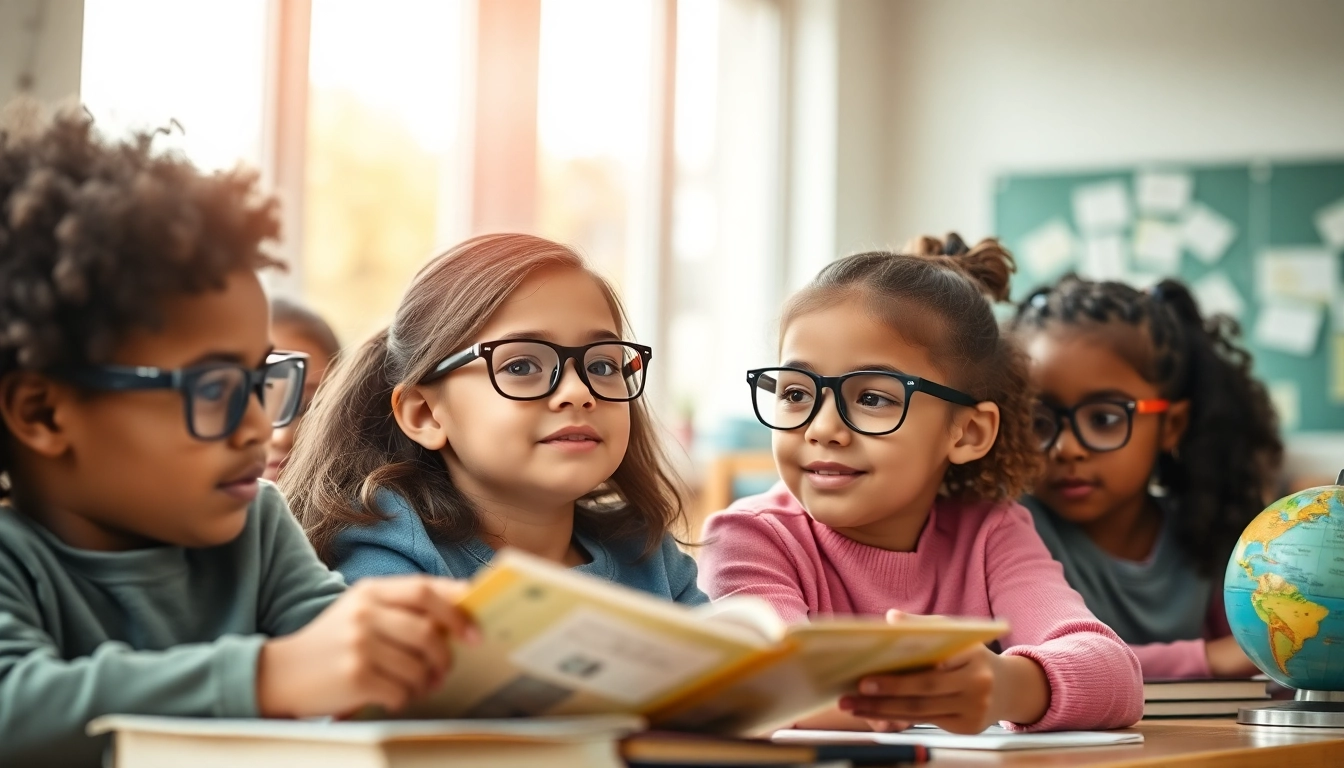
Understanding the Importance of Our Children's Vision
In today’s increasingly visual world, the importance of eye health for children cannot be overstated. Poor vision can substantially hinder a child's ability to learn and engage in activities that are crucial for their development. Statistics reveal that millions of children around the globe suffer from vision impairment due to lack of access to eye care. Addressing these issues through effective measures is fundamental to fostering healthy growth and potential in our youth. Initiatives like Our Children's Vision aim to bridge this gap by promoting awareness and providing essential eye care services.
The Role of Eye Health in Child Development
Eye health plays a pivotal role in a child's overall development. Vision is critical for cognitive development, as it directly affects how children learn and interact with the world around them. Many fundamental skills, such as reading and writing, require good vision. Children who have undiagnosed vision issues may struggle academically, which can diminish their confidence and diminish engagement with learning activities.
Common Vision Problems Faced by Children
There are various vision problems that children can face, including refractive errors, strabismus (crossed eyes), amblyopia (lazy eye), and binocular vision disorders. Refractive errors, such as myopia (nearsightedness) and hyperopia (farsightedness), are particularly common and often go undiagnosed. The incidence rate of these conditions highlights the need for proactive eye care.
The Impact of Undetected Eye Issues on Learning
Undetected vision issues can lead to significant educational challenges. Research indicates that children with uncorrected vision impairments are more likely to experience problems in learning and behavior. Moreover, studies demonstrate a correlation between visual impairment and decreased academic performance. Early detection of eye problems through routine eye exams is essential to help children achieve their full potential.
Accessing Eye Care Services for Kids
Accessing appropriate eye care services is fundamental to preventing vision issues from becoming significant obstacles in a child's educational and developmental journey. Understanding how to navigate these services can empower parents and caregivers to take essential actions to safeguard their children’s sight.
Types of Eye Care Available for Children
Eye care for children typically ranges from basic vision screenings to comprehensive eye examinations. Vision screenings are brief checks that can be completed within the school environment or a typical pediatric checkup, while comprehensive exams involve a detailed assessment of eye health using specialized equipment. It’s crucial that children receive both types of care as they are designed to detect various eye conditions.
How to Identify When Your Child Needs Eye Care
Parents should be proactive in recognizing potential signs indicating their child may have vision problems. Symptoms such as difficulty reading, frequent headaches, squinting, and complaints about eye discomfort are red flags that warrant an eye examination. Additionally, regular visits to an eye care professional can help identify problems before they manifest significantly.
Resources for Eye Care Services in Your Community
Finding local eye care resources is essential for ensuring that children receive necessary services. Many community health organizations, schools, and pediatricians offer information about local eye care services. Parents can also look into children's hospitals and specialized clinics that focus on pediatric eye health. Collaborations with organizations such as Our Children's Vision can facilitate broader access to essential care and resources.
Creating Awareness Around Our Children's Vision
Raising awareness about the importance of children’s eye health is crucial in combating the challenges facing our youth. Awareness can lead to informed decision-making and proactive engagement in eye health care.
Strategies for Promoting Eye Health in Schools
Schools serve as an excellent platform for promoting eye health. Initiatives may include regular eye screening programs and educational workshops that emphasize the importance of vision care. Schools can partner with local eye health professionals to conduct vision checks and provide families with information on maintaining eye health.
Engaging Parents in Their Children's Eye Care
It is essential to engage parents in their children's eye care journey. Educational workshops, webinars, and school-based events can provide parents with valuable information regarding eye health. Encouraging dialogues about the importance of eye exams and offering resources for further support empowers families to take proactive steps.
Community Initiatives Supporting Child Eye Health
Community programs can significantly bolster efforts to support child eye health. Initiatives might include public health campaigns aimed at raising awareness, partnerships with local healthcare providers, and initiatives that target at-risk populations. Collaborations within communities can expand access to eye care resources and provide much-needed support for families.
Preventive Measures for Our Children's Vision
Preventive measures play a crucial role in ensuring ongoing eye health for children. These efforts can significantly reduce the incidence of vision problems among youth.
Routine Eye Exams: What to Expect
Routine eye exams should occur regularly, beginning as early as six months of age. As children grow, exams will focus on assessing their developmental requisites in terms of visual skills critical for learning. An eye care professional can tailor the examination to meet a child's specific needs, which may include checking for refractive errors and general eye health.
Screening Programs for Early Detection
Screening programs are critical for early detection of vision problems. Many organizations and local health departments offer free or low-cost vision screening services. These programs are essential for identifying children who may need further evaluation and treatment, allowing for interventions that can improve visual functioning.
Nutritional Tips for Maintaining Healthy Eyes
Nutrition plays a vital role in overall eye health. A diet rich in fruits, vegetables, omega-3 fatty acids, and vitamins C and E can contribute significantly to maintaining good vision. Educating children and their families about nutritious dietary choices aids in reinforcing lifelong habits that promote robust eye health.
The Future of Eye Care in Our Children's Vision
The future of eye care in relation to our children holds promise with advancements aimed at improving access and ensuring comprehensive services for all children.
Innovative Solutions for Improving Access to Eye Care
Innovative approaches such as telemedicine and mobile eye care units are reshaping the landscape of pediatric eye care. These solutions can overcome geographical barriers by providing eye care services in underserved areas. Embracing technology in eye care not only enhances accessibility but also enriches the quality of service delivery.
Partnerships and Collaborations Aiming for Change
Collaboration between health organizations, schools, and communities is essential for enacting meaningful changes in children's eye health. Strategic alliances can unite resources, engage in advocacy, and promote initiatives that raise awareness and drive policy changes targeting child vision care.
How to Contribute to the Movement for Better Eye Care
Individuals and organizations can play a significant role in enhancing eye care for children. Supporting initiatives such as Our Children's Vision, volunteering, becoming advocates for eye health, and participating in awareness campaigns can drive impactful change in communities. Each effort contributes to fostering a world where children can access the necessary care to thrive.