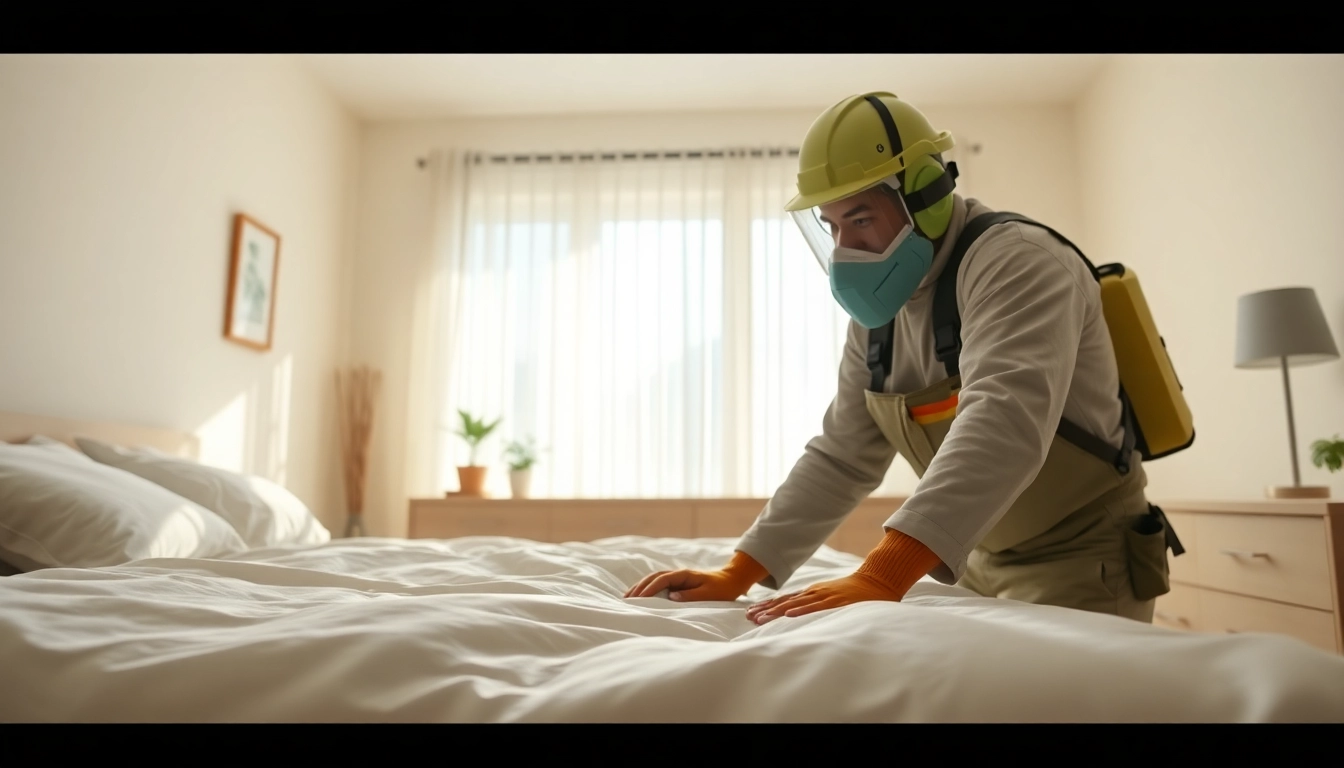
Understanding Bed Bugs: Biology and Behavior
What Are Bed Bugs and Their Characteristics?
Bed bugs, scientifically known as Cimex lectularius, are small, elusive insects that primarily feed on the blood of humans and other warm-blooded hosts. Adult bed bugs typically measure about 4 to 5 mm in length, resembling a flat, oval shape. Their coloration varies from a reddish-brown to a burnt orange, depending on whether they have recently fed. Unlike many insects, bed bugs lack wings, which means they are not capable of flight. Instead, they rely on their remarkable ability to hide and travel through cracks and crevices, making them particularly difficult to detect.
The Life Cycle of Bed Bugs Explained
The life cycle of a bed bug consists of several stages: egg, nymph, and adult. A female bed bug can lay between 200 to 500 eggs in her lifetime, typically depositing them in hidden locations close to a host. The eggs are tiny, measuring about 1 mm in size, and are often white or translucent. Once hatched, nymphs emerge and begin their quest for blood meals. Over the course of several weeks, nymphs molt five times before reaching adulthood. The entire life cycle can be completed in as little as five weeks under optimal conditions, which is why quick intervention is crucial in managing infestations.
Common Signs of a Bed Bug Infestation
Identifying a bed bug issue early is essential for effective elimination. Common signs include:
- Itchy Bites: Often appearing in linear patterns on the skin.
- Rusty Red Stains: From crushed bed bugs, found on mattresses or sheets.
- Bed Bug Fecal Spots: Small dark drops that can appear on bedding.
- Cast Skins: Leftover from nymphs as they mature.
- Live Insects: Bed bugs themselves, which are easier to find in places where humans rest.
Identifying Problem Areas in Your Home
Where Are Bed Bugs Likely to Hide?
Bed bugs are adept at camouflage, often finding refuge in dark and quiet areas where they can remain undisturbed. Common hiding spots include:
- Mattresses and box springs
- Bed frames and headboards
- Furniture joints
- Electrical outlets
- Behind baseboards and wallpaper
- Cracks in wood and flooring
Conducting a Thorough Home Inspection
Conducting an inspection is a proactive way to identify potential infestations. Begin by:
- Visually scanning your bedding and furniture for signs of bed bugs.
- Using a flashlight to peer into darker spaces.
- Utilizing a stiff brush to agitate seams of mattresses or furniture, releasing hidden bed bugs.
- Inspecting luggage, bags, and clothes regularly, especially after travel.
Utilizing Tools for Detection
Several tools can assist in detecting bed bugs, including:
- Interceptors: Placed under bed legs to trap bed bugs.
- Bed Bug Monitors: Devices that attract and trap bed bugs using heat.
- Smartphone Apps: Some apps can aid in identifying signs of an infestation.
Effective Bed Bug Extermination Methods
Eco-Friendly Chemical Treatments
For those concerned about chemicals, eco-friendly treatments are available. Non-toxic insecticides made with natural ingredients can effectively combat bed bugs without the associated chemical risks. Products containing diatomaceous earth, essential oils like lavender or tea tree, or enzymatic cleaners can be effective at deterring and killing bed bugs when applied correctly.
Heat Treatment Techniques for Elimination
Heat treatment is a highly effective method for eradicating bed bugs. By raising the temperature in infested areas to a sustained level of around 120°F (49°C) for several hours, all life stages of bed bugs can be eradicated. It is a chemical-free treatment that requires specialized equipment and training, making it a worthwhile option within professional extermination services.
Preventive Measures for Homeowners
Prevention is always better than cure. Implementing certain strategies can significantly minimize the risk of bed bug infestations:
- Regularly wash and heat-dry bedding and linens.
- Seal any cracks and crevices around baseboards and walls.
- Be cautious with second-hand furniture and inspect it thoroughly before bringing it inside.
- Utilize protective encasements for mattresses and pillows.
DIY Bed Bug Management Strategies
Safe Home Remedies Against Bed Bugs
In addition to professional treatments, several DIY methods can complement your pest control efforts:
- Vacuuming: Regularly vacuum infested areas and ensure you dispose of the bag or empty the canister outside.
- Steam Cleaning: High-temperature steam cleaners can effectively kill bed bugs and their eggs.
- Lavender and Essential Oils: The scent can repel bed bugs; using these in your cleaning routine can be beneficial.
Commercial Products Available for Consumers
There is a wide array of commercial insecticides formulated specifically for bed bugs. When selecting the appropriate product, consider those labeled as effective against bed bugs and follow the instructions explicitly to ensure safe and effective usage. Pay attention to active ingredients such as pyrethroids, which are commonly found in treatments.
Step-by-Step Guide for a DIY Approach
If you're considering a DIY approach to bed bug management, follow these steps:
- Identify the scope of the infestation through careful inspection.
- Isolate affected furniture and belongings.
- Vacuum thoroughly and dispose of the vacuum contents outside.
- Wash all bedding, linens, and clothing at high temperatures.
- Apply diatomaceous earth in suspected hiding areas as a preventive measure.
- Monitor the situation for new signs and act immediately if you notice re-infestation.
When to Call the Professionals
Identifying the Right Time for Extermination Services
Determining when to seek professional assistance can be crucial in effectively managing a bed bug problem. If the infestation is extensive or if DIY methods have not yielded satisfactory results after a few weeks, it’s time to call in the experts. Professional exterminators have access to advanced treatment options and can significantly increase the odds of complete eradication.
What to Expect During Professional Treatment?
When engaging a pest control service, expect a thorough inspection followed by a tailored treatment plan. Professionals typically use a combination of chemical and non-chemical approaches, including heat treatments and insecticide applications. Prior to treatment, they will discuss potential pre-treatment preparations that may be necessary on your end.
Choosing the Right Pest Control Service
When selecting a pest control service for bed bug extermination, consider the following:
- Ensure the service is licensed and insured.
- Look for a company with extensive experience in bed bug treatments.
- Request references or reviews from previous customers.
- Inquire about their pest control methods and procedures.
By conducting thorough research and choosing a reputable service provider, you can ensure the best possible outcome in your battle against bed bugs.
For specific guidance and support regarding bed bug infestations, turn to https://affordablebedbugexterminators.com for expert insight.