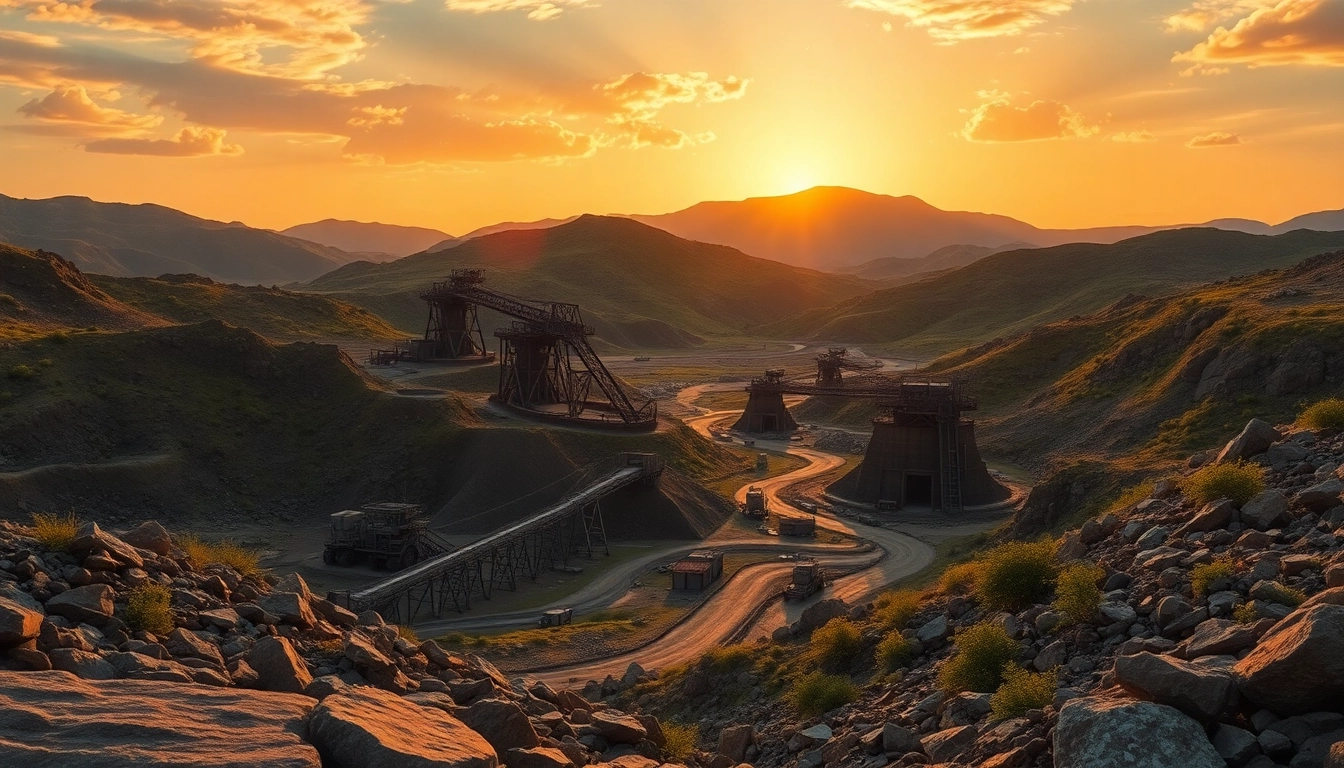
Understanding Different Types of Mines
Mines are crucial for extracting natural resources that power our economies and industries. From precious metals to coal, understanding the various mines is fundamental to grasping their impact on society. This article explores different mining types, their implications, and the nuances associated with ore extraction.
Open-Pit and Underground Mines
Mining methods are generally categorized into two main types: open-pit (also known as surface mining) and underground mining. Each of these methods serves different purposes based on the resource being extracted, its location, and economic considerations.
Open-Pit Mining
Open-pit mining involves digging a large hole in the ground to extract minerals close to the surface. This method is used predominantly for minerals like copper, gold, and coal where ore deposits are located just beneath the Earth's surface. Its larger scale and accessibility make it an economical option. However, the environmental repercussions, including landscape degradation and habitat destruction, cannot be ignored.
Underground Mining
In contrast, underground mining is applied in situations where resources are located deep beneath the surface. Techniques like shaft mining and room-and-pillar methods are employed to reach these minerals. Although more expensive and labor-intensive than open-pit mining, underground mining minimizes surface disruption, thus preserving the landscape. Nonetheless, it poses unique challenges such as cave-ins and hazardous working conditions.
Influence of Mining on the Environment
The environmental impact of mining is a pressing concern. Both open-pit and underground methods lead to disturbances in local ecosystems, affecting air and water quality. The mining process can release harmful substances into the surrounding areas, causing soil and water contamination.
Air Pollution
Mines can produce airborne pollutants, including dust and emissions from heavy machinery. This pollution can lead to respiratory problems in nearby communities and contribute to global issues such as climate change.
Water Quality
Mining activities often disrupt water flow and quality. Acid mine drainage is a significant issue where water interacts with exposed rock and creates acidic conditions that contaminate nearby water bodies, affecting not only ecosystems but also communities relying on these resources.
Key Minerals Extracted from Mines
The range of minerals obtained from mines is extensive. Here are some of the most significant categories:
- Precious Metals: Gold and silver are highly sought after for their value and use in jewelry and electronics.
- Base Metals: Copper, lead, and zinc are integral to infrastructure and industrial applications.
- Industrial Minerals: Materials like limestone and gypsum support construction and manufacturing sectors.
- Fuels: Coal, oil, and natural gas are vital energy sources, though increasingly scrutinized for their environmental impacts.
The Economic Significance of Mines
Mines are not only vital for resource extraction but also serve as engines for economic growth. The mining sector plays a crucial role in employment and national economies.
Job Creation and Economic Growth
The mining industry directly creates hundreds of thousands of jobs worldwide, with additional indirect employment in associated industries such as manufacturing and services. The income generated expands local economies and contributes to national revenue significantly.
Mining Royalties and Government Revenue
Mines typically pay royalties and taxes to governments, providing a revenue stream that can fund public services, education, and infrastructure. These financial benefits are especially crucial in regions where mining is a predominant industry.
Global Trade and Mineral Exports
Minerals mined in one country are often exported globally, establishing international trade relationships. Countries rich in resources are pivotal players in global markets, influencing trade balance and currency stability.
Challenges Facing Modern Mining
Despite its economic importance, the mining industry faces many challenges that require effective management strategies.
Environmental Regulations and Compliance
Modern mining operations must adhere to stringent environmental regulations to minimize their ecological footprint. Compliance can be costly, but it is necessary for sustainable operation and community relations.
Technological Innovations in Mining
Advancements in technology are transforming how mine operations are conducted. Innovations such as automation, remote sensing, and artificial intelligence are enhancing efficiency and reducing environmental impacts.
Safety Measures and Worker Protection
Ensuring the safety of miners is paramount. The industry has made significant strides in adopting safety protocols and technologies to reduce accidents and health risks. Regular training and updated equipment play a crucial role in these efforts.
The Future of Mines: Trends and Predictions
As we look ahead, several trends are poised to shape the future of the mining industry.
Sustainable Mining Practices
Sustainability is increasingly at the forefront of mining operations. Companies are adopting practices that include reducing waste, recycling materials, and utilizing renewable energy sources. These efforts are not only environmentally friendly but can also lead to cost savings.
Impact of Automation on Mining Jobs
The rise of automation poses significant implications for the workforce. While automation can enhance efficiency and safety, it also raises concerns regarding job displacement. Balancing technology integration with job preservation is a challenge the industry will face.
The Shift Towards Renewable Energy Mining
With the growing demand for renewable energy sources, mining for critical materials like lithium and cobalt—used in batteries—is on the rise. The transition to greener technologies will require adaptation within the mining sector to meet changing demands.
Frequently Asked Questions About Mines
What are the main types of mines?
Mines can be categorized as surface (open-pit) or underground, each having distinct extraction methods and complexities.
How do mines affect the environment?
Mines impact ecosystems through land disturbance, potential water contamination, and air pollution, necessitating strict regulations.
What minerals are commonly mined?
Common minerals include gold, silver, copper, coal, and rare earth elements used in technology and industry.
What are the benefits of mining to the economy?
Mining provides employment, boosts local economies, and contributes significantly to national revenues through exports.
What trends are shaping the future of mining?
Sustainability, technological advancements like automation, and a focus on renewable resources are key trends in mines.