
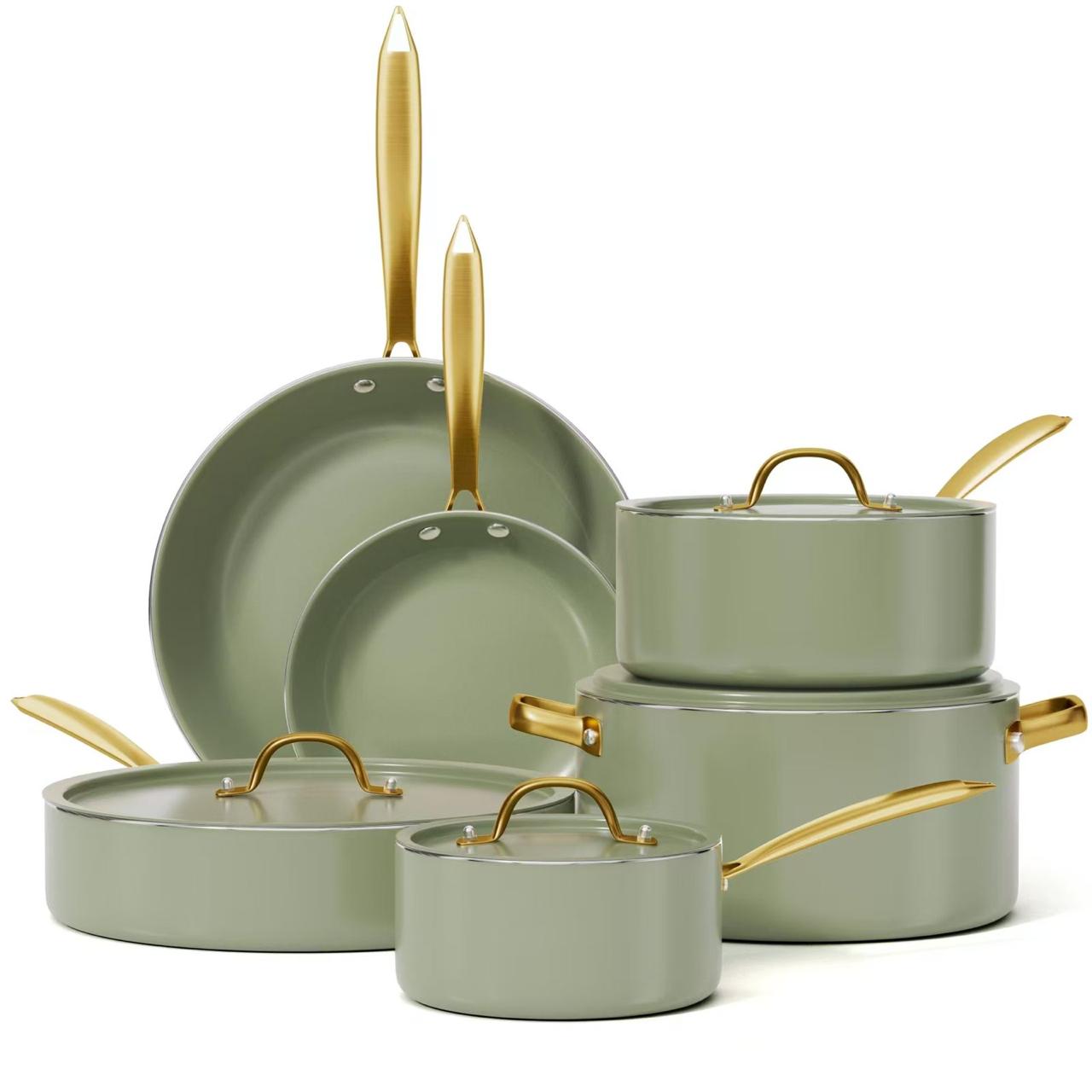
Choosing the right Cookware for an induction stove is essential if you want efficient heating, fast cooking times, and smooth performance in the kitchen. Induction technology works differently from gas and electric cooktops, so not all Cookware is compatible. With the right knowledge, you can select Cookware that performs beautifully while maximizing the benefits of your induction stove. Here’s a complete guide to understanding what works best and how to make smart choices for your kitchen.
How Induction Stoves Work
Induction stoves use electromagnetic energy to heat your Cookware directly instead of heating the cooktop surface. This makes cooking faster, safer, and more energy-efficient. But it also means your Cookware must contain magnetic materials for the stove to activate.
Why Cookware Matters
If your Cookware isn’t induction-compatible, your stove won’t heat it at all. That’s why choosing the right Cookware is important for smooth performance.
What Makes Cookware Induction-Friendly?
Magnetic Base
Induction stoves require Cookware with a magnetic bottom. Materials like cast iron and magnetic stainless steel work perfectly.
Flat, Smooth Surface
For best results, Cookware should have a flat surface to make full contact with the induction cooktop. This ensures even heating.
Sturdy, Quality Construction
Durable Cookware with properly layered bases distributes heat more effectively on induction stoves.
Best Types of Cookware for Induction Stoves
Cast Iron Cookware
Cast iron Cookware is naturally induction-friendly thanks to its magnetic material. It offers outstanding heat retention and is perfect for searing, frying, and slow cooking.
Stainless Steel Cookware
High-quality stainless steel Cookware with a magnetic base performs exceptionally well on induction stoves. Look for multi-ply or tri-ply construction for even heating.
Carbon Steel Cookware
Carbon steel Cookware is lightweight compared to cast iron but still magnetic and induction compatible. It heats quickly and becomes naturally nonstick when seasoned.
Enamel-Coated Cast Iron
This type of Cookware works the same as traditional cast iron but with a protective enamel coating. It’s ideal for soups, stews, and slow-cooked dishes.
Cookware That Does NOT Work on Induction
Aluminum Cookware
Unless it has a magnetic base, aluminum Cookware will not work on induction stoves.
Copper Cookware
Copper Cookware is highly conductive but not magnetic. Only copper pans with induction-ready bases are compatible.
Nonstick Cookware Without Magnetic Plates
Some nonstick Cookware works on induction, but only if it includes a magnetic layer at the bottom.
How to Test if Your Cookware Works on Induction
Use the Magnet Test
Simply place a magnet at the bottom of your Cookware.
- If it sticks firmly, the Cookware is induction compatible.
- If it doesn’t stick, the Cookware won’t work.
Check the Manufacturer Label
Most modern Cookware includes an induction symbol or notes compatibility on the packaging.
Features to Look for in Induction Cookware
Even Heating
Choose Cookware with multi-layered bases to ensure uniform heating on induction.
Durable Construction
Sturdier Cookware handles the fast, powerful heating of induction better.
Oven Safety
Oven-safe Cookware adds versatility, especially for recipes that start on the stovetop and finish in the oven.
Comfortable Handles
Since induction stoves heat quickly, choose Cookware with ergonomic, heat-resistant handles.
Best Cookware Sizes for Induction Stoves
10–12 Inch Skillet
This size is ideal for daily cooking and fits well on standard induction burners.
Medium Saucepan
A 2–3 quart saucepan is essential Cookware for boiling, simmering, and reheating.
Dutch Oven
A cast iron Dutch oven works perfectly on induction and is versatile for soups, roasts, and baking.
Flat-Bottom Wok
Choose a flat-bottom wok designed for induction instead of a round-bottom version.
Tips for Using Cookware on Induction Stoves
Use Proper Burner Size
Match your Cookware to the size of the induction burner for best heating results.
Avoid Sliding Cookware
Induction glass surfaces can scratch, so lift your Cookware instead of dragging it.
Preheat Slowly
Induction heats fast—preheat your Cookware at medium levels to prevent warping.
Keep the Base Clean
Residue on the bottom of your Cookware can interfere with power transfer, so clean regularly.
Common Questions About Induction Cookware
Can Nonstick Cookware Work on Induction?
Yes—if the nonstick Cookware has a magnetic layer on the bottom.
Is Induction Cookware Expensive?
Not always. Many affordable Cookware brands offer induction-ready options.
Does Cookware Heat Faster on Induction?
Yes. Induction directly heats your Cookware, resulting in faster cooking and better energy efficiency.
Conclusion
Choosing the right Cookware for your induction stove makes cooking faster, easier, and more efficient. Magnetic materials such as cast iron, carbon steel, and induction-ready stainless steel deliver the best performance, while high-quality nonstick Cookware can also be a great option. With the right Cookware, you’ll enjoy precise heating, improved control, and a more enjoyable cooking experience every day.