Understanding Steel Structure Design
Definition and Importance
Steel structure design refers to the process of creating buildings and structures using steel as the primary material. This approach is essential in modern engineering due to steel's properties, such as high strength-to-weight ratios, durability, and flexibility. It allows for the construction of tall buildings, expansive bridges, and large spans that might not be achievable with traditional materials. The significance of steel structure design lies in its ability to meet varying architectural needs while ensuring safety and efficiency.
Key Components of Steel Structures
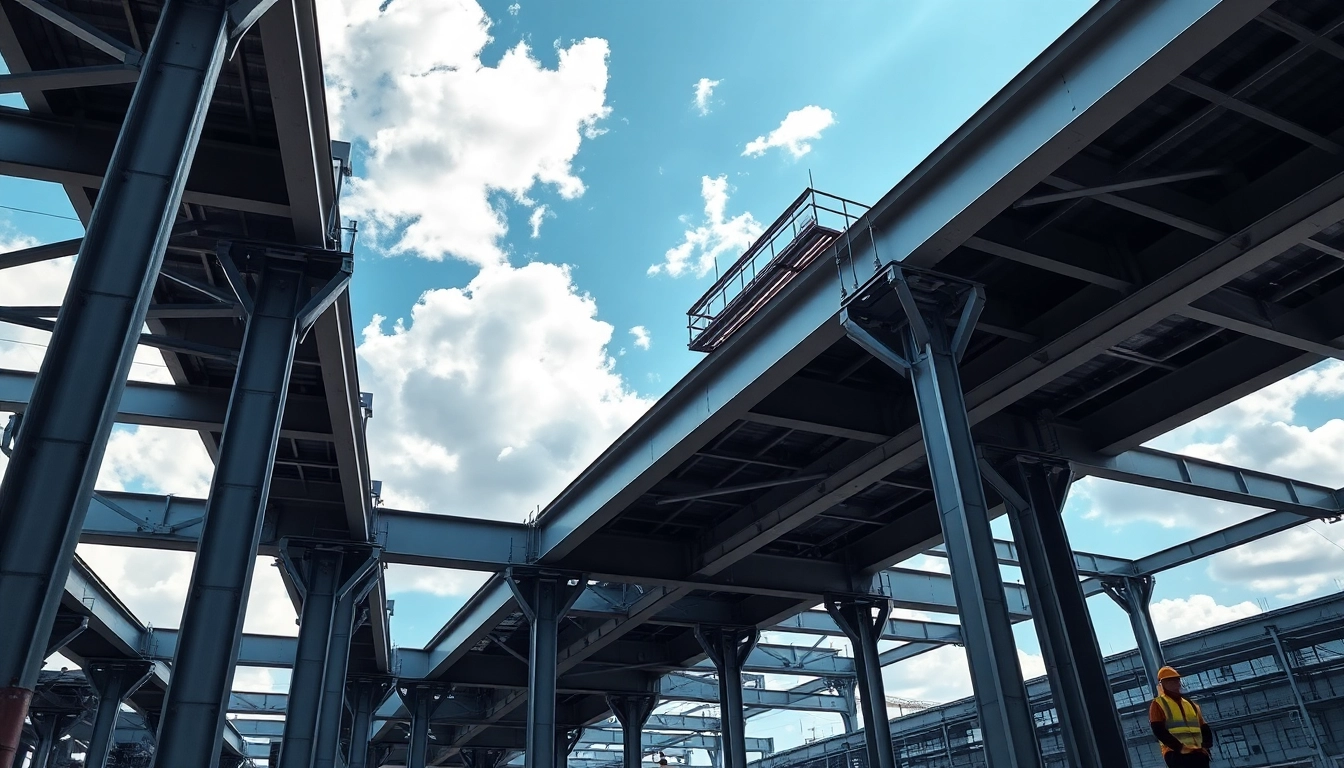
A typical steel structure consists of several crucial components that work together to create a stable and functional system. These include:
- Columns: Vertical members that support the structure's loads and transfer them to the foundation.
- Beams: Horizontal elements that span between columns, supporting floors and roofs.
- Bracing: Diagonal members that enhance the structure's stability, preventing it from swaying under wind or seismic loads.
- Base Plates: Steel plates at the bottom of vertical members providing a stable connection to the foundation.
- Joists: Secondary beams that support floor systems, allowing for lighter constructions.
These components are designed to work in unison, ensuring that loads are adequately supported and distributed throughout the structure.
Applications in Various Industries
Steel structures find applications across a range of industries, demonstrating versatility and adaptability. Some common applications include:
- Commercial Buildings: Skyscrapers and office complexes utilize steel for both structural integrity and aesthetic appeal.
- Industrial Facilities: Factories and manufacturing plants often use steel for load-bearing structures, enabling large open spaces.
- Transportation Infrastructure: Bridges and railway stations capitalize on steel's strength to support expansive loads over long spans.
- Residential Construction: Contemporary homes benefit from steel frames, which allow for innovative designs and open layouts.
- Sports Facilities: Stadiums and arenas often incorporate steel frameworks to support large roofs and spectator areas.
Principles of Steel Structure Design
Strength and Load-Bearing Capacity
The design of steel structures focuses on ensuring that they possess the adequate strength to support anticipated loads, which include dead loads, live loads, and environmental loads (like wind and snow). Engineers utilize material properties and design methodologies, such as Limit State Design, to ensure that structures can withstand these loads without failure.
Moreover, the load-bearing capacity is influenced by various factors, including the shape and size of the structural elements, the connections made between them, and the quality of the material used. Properly designed steel structures maintain their integrity over time, providing safety and stability for users.
Stiffness and Stability
Stiffness is another vital consideration in the design of steel structures. Stiffness affects the deflection of beams and overall structural deformities under loads. Engineers strive to design frameworks that resist excessive deformation which can lead to discomfort for occupants or even structural failure. Stability also plays a critical role in preventing buckling or sway caused by lateral loads, prompting the inclusion of bracing systems in the design.
Design Codes and Standards
Compliance with design codes and standards is critical in steel structure design, as these guidelines ensure safety, quality, and consistency. Organizations such as the American Institute of Steel Construction (AISC) establish standards that cover various aspects of design, including material specifications, safety factors, and construction practices. Adhering to these codes not only ensures regulatory compliance but also mitigates risks associated with structural failures.
Design Methods and Techniques
Simple Design Approaches
Simple design approaches often involve basic frameworks that utilize straightforward calculations and standard components. For smaller buildings, such as warehouses or single-story structures, designers can often use conventional designs that follow established practices, allowing for efficient and cost-effective construction.
Continuous and Semi-Continuous Designs
Continuous and semi-continuous design methods allow for improved load distribution across multiple spans. These approaches assume that beams are supported by multiple columns, leading to reduced deflection and increased load-carrying capacity. This design method is beneficial for larger buildings and structures that experience significant loads.
Load Calculations and Material Selection
Load calculations are integral to the design process, influencing both the choice of materials and the structural design itself. Engineers assess the dead and live loads to determine accurate reactions at supports, which ultimately guides the selection of beam sizes and materials. The choice of steel type can also vary based on the environment, costs, and specific project requirements. Consideration of factors such as corrosion resistance or weldability further refines material selection.
Common Challenges in Steel Structure Design
Dealing with Environmental Factors
Steel structures are frequently subjected to various environmental conditions, such as temperature fluctuations, moisture, and corrosion. Effective design principles and protective coatings can mitigate these effects, ensuring the longevity of the structure. Engineers must incorporate solutions like galvanization or heavy-duty paint finishes that enhance a steel structure’s durability in different climates.
Cost Implications and Efficiency
Cost considerations often present challenges in steel structure design, especially when balancing initial expenditures with long-term operational efficiency. Engineers must analyze lifecycle costs, including maintenance needs, to find cost-effective solutions. Utilizing modern prefabrication techniques can reduce material waste and construction time, thereby enhancing project efficiency and lowering costs without compromising safety.
Mitigating Design Errors
Design errors can have severe ramifications, such as safety issues and increased costs. To mitigate these risks, thorough checks and simulations should be conducted throughout the design process. Peer reviews, 3D modeling, and structural analysis software can aid in detecting potential issues early in the design phase, resulting in improved project outcomes.
Future Trends in Steel Structure Design
Technological Innovations
Emerging technologies are reshaping the landscape of steel structure design. Innovations such as Building Information Modeling (BIM) facilitate improved collaboration among stakeholders by providing a unified view of the project. Advanced software allows for more complex calculations and simulations, streamlining the design process and improving accuracy.
Sustainable Steel Design Practices
Sustainability is becoming increasingly integral to construction practices, with steel design evolving to meet environmental standards. Designers prioritize materials that are recyclable or sustainably sourced, aligning with green building initiatives. New methods for reducing carbon footprint, such as the use of low-emission steel production processes, are also gaining traction.
Impact of Automation on Design Processes
Automation is set to further enhance efficiency in steel structure design. Robotics and automated machinery enable precision fabrication of steel components, reducing human error and expediting construction timelines. The integration of artificial intelligence in design software may also lead to smarter, adaptive designs that can respond to changing architectural needs and environmental conditions.
Frequently Asked Questions (FAQs)
What are the primary components of a steel structure?
Key components include columns, beams, bracing, base plates, and joists, all of which work together to create a stable framework that supports loads.
How do engineers calculate load for steel structures?
Engineers assess dead and live loads, environmental impacts, and use that data to determine necessary beam sizes and material specifications for safety.
What codes govern steel structure design?
Design is governed mainly by codes from the American Institute of Steel Construction (AISC), ensuring structural safety and quality standards are met.
What role does sustainability play in steel design?
Sustainability emphasizes the use of recyclable materials and energy-efficient processes, promoting eco-friendly construction methods that minimize environmental impact.
How does temperature affect steel structures?
Temperature fluctuations can cause expansion or contraction in steel, so designers implement materials and coatings to minimize thermal stresses and protect against corrosion.