
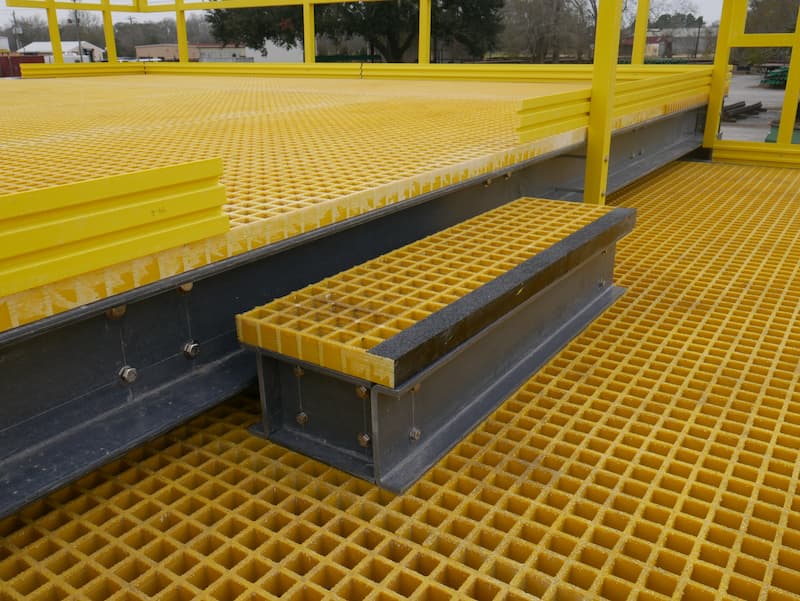
In modern industrial applications, especially in chemical plants and offshore platforms, safety, durability, and long-term reliability are critical considerations. Traditional flooring and walkway materials, such as steel or timber, often struggle to meet the stringent requirements of corrosive or high-moisture environments. This is where GRP Grating has emerged as a preferred solution, offering a combination of strength, safety, and cost-efficiency. The unique properties of GRP make it ideal for chemical and offshore environments, where both human safety and structural integrity are of paramount importance.
GRP (Glass Reinforced Plastic) gratings are composite materials that combine thermosetting resins with high-strength glass fibers. This combination creates a material that is lightweight, corrosion-resistant, fire-retardant, and capable of withstanding high loads over extended periods. When applied in chemical or offshore environments, GRP Grating ensures minimal maintenance requirements, long-term reliability, and enhanced worker safety.
- Understanding GRP Grating
- Key Advantages of GRP Grating in Chemical Environments
- GRP Grating in Offshore Applications
- Applications in Industrial Settings
- Cost Efficiency and Long-Term Benefits
- Environmental Advantages
- Installation and Maintenance
- Safety Considerations
- Durability Under Harsh Conditions
- Selecting the Right GRP Grating
- FAQs About GRP Grating
- Conclusion
Understanding GRP Grating
GRP Grating is available in two main forms: moulded and pultruded. Each type serves specific industrial purposes and environments.
Moulded GRP Gratings are manufactured by layering glass fibers in a mould and saturating them with resin. This method produces gratings with superior impact resistance, making them ideal for areas exposed to frequent mechanical stress, moisture, and chemicals.
Pultruded GRP Gratings, on the other hand, are formed by pulling fibers through a resin bath and into a heated die, producing a continuous, high-strength product. Pultruded gratings are preferred for applications requiring longer spans and heavier load-bearing capacity, making them suitable for offshore platforms or large chemical processing areas.
Both types are non-conductive, reducing electrical hazards in sensitive environments, and fire-retardant, offering additional safety in areas where chemical reactions or flammable substances are present.
Key Advantages of GRP Grating in Chemical Environments
Chemical plants are demanding environments where corrosion and chemical damage can rapidly degrade conventional materials. GRP Grating offers several advantages that make it the preferred choice:
1. Corrosion Resistance
Unlike steel, GRP Grating does not corrode or rust. It is resistant to acids, alkalis, oils, and other chemical substances commonly found in industrial processes. This property ensures a significantly longer lifespan and reduces the need for frequent replacements.
2. Lightweight but High Strength
GRP is considerably lighter than steel while maintaining comparable load-bearing capacity. This makes installation faster, reduces labor costs, and allows safer handling during maintenance operations in confined or elevated chemical plant areas.
3. Slip Resistance
Chemical environments often involve wet, oily, or slippery surfaces. GRP gratings can be manufactured with an integrated anti-slip surface, such as quartz grit, ensuring that workers maintain a secure footing even in hazardous conditions.
4. Fire Retardancy and Non-Conductivity
GRP Grating can be produced with fire-retardant resins, helping reduce fire risks in chemical plants. Its non-conductive nature also makes it safe for electrical installations and reduces the risk of accidental short circuits.
GRP Grating in Offshore Applications
Offshore environments, such as oil rigs and marine platforms, present unique challenges due to continuous exposure to saltwater, wind, and extreme weather conditions. GRP Grating offers unmatched performance in these situations.
Saltwater and humidity quickly corrode steel structures, but GRP is inherently resistant to moisture and chemical exposure. Its lightweight construction reduces the strain on offshore frameworks, making installation and maintenance far easier. Moreover, anti-slip surfaces and non-conductivity provide a safer working environment for offshore personnel, where safety is a critical priority.
Applications in Industrial Settings
GRP Grating is highly versatile and finds applications across multiple sectors:
- Walkways and Platforms: Corrosion-resistant walkways in chemical plants or offshore rigs.
- Stair Treads: Anti-slip stair solutions for elevated platforms.
- Maintenance Areas: Safe access areas for technicians working with hazardous chemicals.
- Catwalks and Pontoons: Saltwater-resistant structures for offshore operations.
Its adaptability ensures compliance with industrial safety standards while reducing long-term operational costs.
Cost Efficiency and Long-Term Benefits
While the initial cost of GRP Grating may be slightly higher than steel or timber, the total cost of ownership is significantly lower. Its corrosion resistance eliminates the need for coatings or protective treatments, reducing ongoing maintenance expenses. The material’s durability ensures a lifespan often exceeding 20 years, even in harsh chemical or offshore conditions.
By choosing GRP, industrial operators also reduce downtime due to material failure or repairs, translating into higher productivity and operational efficiency.
Environmental Advantages
Sustainability is an increasing concern for modern industrial operations. GRP gratings contribute positively to environmental goals:
- Reduced replacement frequency, conserving raw materials.
- Lower maintenance requirements, reducing chemical use.
- Lightweight construction, minimizing transport emissions.
- Recyclable at the end of its service life.
These features align GRP with eco-friendly construction practices, making it a responsible choice for long-term infrastructure projects.
Installation and Maintenance
GRP Grating is designed for easy handling and installation. Its lightweight nature allows for manual placement in many cases, eliminating the need for heavy machinery. On-site cutting and customization are simple and do not require specialized tools, unlike steel. Minimal maintenance is required—periodic cleaning and inspections are sufficient to maintain its performance in chemical or offshore environments.
Safety Considerations
Worker safety is paramount in chemical and offshore industries. GRP Grating provides multiple safety benefits:
- Integrated slip-resistant surfaces.
- Non-conductive properties for electrical safety.
- Fire-retardant options for hazardous environments.
- No sharp edges or splintering risks like timber or steel.
By incorporating GRP, companies can enhance workplace safety, reduce accidents, and comply with regulatory standards.
Durability Under Harsh Conditions
GRP gratings are engineered to withstand extreme environmental conditions. Whether exposed to strong acids in chemical plants or salt-laden winds offshore, GRP maintains its structural integrity without warping, cracking, or corroding. This reliability ensures that platforms, walkways, and other installations remain safe and functional over decades.
Selecting the Right GRP Grating
When choosing GRP Grating for chemical or offshore use, factors to consider include:
- Type of grating: moulded for impact resistance, pultruded for load-bearing.
- Load requirements and span lengths.
- Slip-resistance needs for wet or oily conditions.
- Fire-retardant properties if working near flammable materials.
- Compliance with local and international industrial safety standards.
A tailored solution ensures optimal performance, safety, and longevity.
FAQs About GRP Grating
What makes GRP Grating suitable for chemical environments?
GRP Grating is highly resistant to acids, alkalis, oils, and other chemicals, ensuring long-term durability and minimal maintenance in corrosive industrial settings.
Can GRP Grating be used offshore?
Yes. Its resistance to saltwater, moisture, and extreme weather conditions makes it ideal for offshore platforms, jetties, and walkways.
How long does GRP Grating last?
GRP gratings typically have a lifespan exceeding 20 years, depending on environmental exposure and maintenance.
Conclusion
For chemical plants, offshore platforms, and other industrial environments, GRP Grating represents a reliable, cost-effective, and safe flooring solution. Its combination of corrosion resistance, lightweight strength, anti-slip surfaces, and fire-retardant properties makes it the ideal choice for demanding industrial conditions. By investing in GRP, operators can ensure long-term operational efficiency, enhanced safety, and compliance with industrial standards.
For high-quality GRP Grating solutions tailored to chemical and offshore environments, trust industry-leading manufacturers with decades of expertise to deliver products that meet your exact requirements. Click here to return to the homepage and unlock more content.

