The Lifecycle of a High-Quality Vacuum Circuit Breaker
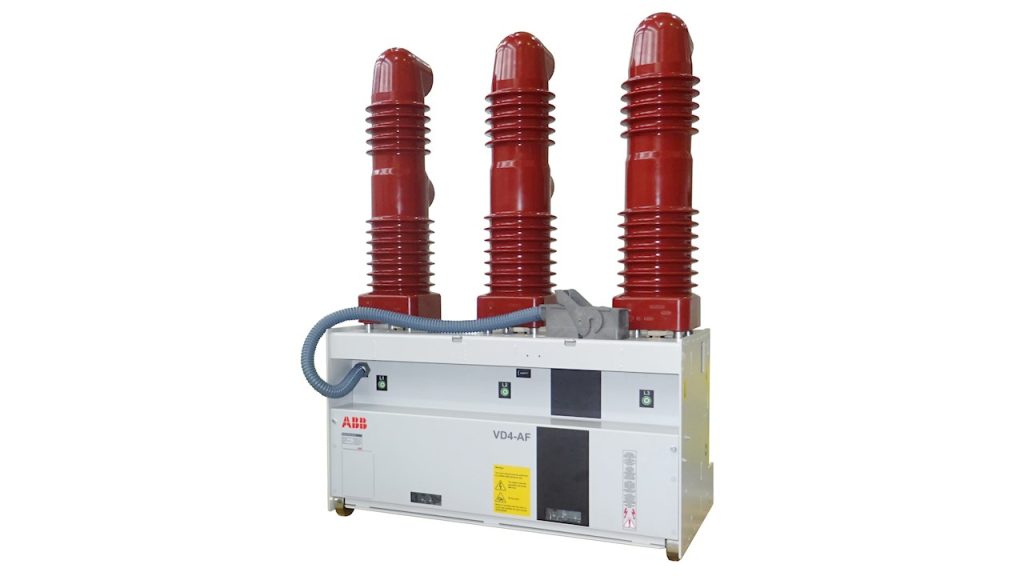
Introduction to Vacuum Circuit Breaker Lifecycle
A vacuum circuit breaker is a critical device in modern electrical systems, designed to ensure safety, reliability, and efficient fault management. Understanding the lifecycle of a vacuum circuit breaker helps engineers, technicians, and system operators optimize performance, reduce downtime, and extend the life of their electrical equipment. From design and manufacturing to installation, operation, maintenance, and eventual replacement, each stage of a Vacuum circuit breaker’s lifecycle impacts its overall reliability. The vacuum circuit breaker provides rapid arc extinction, high dielectric strength, and minimal maintenance requirements, making it a preferred choice for medium-voltage systems, industrial plants, commercial buildings, and utility networks. Proper handling and understanding of the vacuum circuit breaker lifecycle allow operators to maximize safety, ensure compliance with technical standards, and prevent unexpected failures. Modern vacuum circuit breakers also integrate monitoring and control systems that further extend their lifespan. By choosing a high-quality vacuum circuit breaker, businesses and utilities benefit from long-term reliability, efficient operation, and enhanced protection for personnel and equipment.
Design and Manufacturing Stage
Engineering Standards
The lifecycle of a vacuum circuit breaker begins at the design and manufacturing stage. High-quality vacuum circuit breakers are engineered to meet stringent international standards for performance, safety, and durability. Engineers design the vacuum interrupter, contact geometry, insulation system, and operating mechanism to handle electrical faults efficiently. Selecting a high-quality vacuum circuit breaker at this stage ensures reliability and long service life.
Quality Testing
During manufacturing, each vacuum circuit breaker undergoes rigorous electrical and mechanical testing. Tests include dielectric tests, breaking capacity verification, mechanical endurance trials, and environmental simulations. These processes ensure that the vacuum circuit breaker meets specifications and performs reliably under all operating conditions.
Installation and Commissioning Stage
Proper Installation
Installing a vacuum circuit breaker correctly is crucial to its lifecycle. Engineers and technicians follow detailed guidelines to ensure correct alignment, proper connection, and secure mounting. A properly installed vacuum circuit breaker ensures safe operation, reduces wear on mechanical parts, and minimizes the risk of arcing or insulation failure.
Commissioning Procedures
Commissioning a vacuum circuit breaker involves verifying operational parameters, conducting test openings and closings, and checking control and auxiliary circuits. This stage confirms that the vacuum circuit breaker is ready for service and complies with system requirements.
Operation and Normal Service Stage
Routine Operation
During the operational phase, the vacuum circuit breaker protects equipment by interrupting overcurrents, short circuits, and electrical faults. Its rapid arc extinction and high dielectric strength ensure system stability. The vacuum circuit breaker operates reliably under normal and abnormal conditions, providing continuous protection to industrial, commercial, and utility networks.
Monitoring and Control
Modern vacuum circuit breakers often include monitoring systems that track operating cycles, fault events, and electrical parameters. Monitoring helps predict maintenance needs and ensures the vacuum circuit breaker operates safely and efficiently throughout its lifecycle.
Maintenance and Inspection Stage
Preventive Maintenance
Regular maintenance is critical for maximizing the lifespan of a vacuum circuit breaker. Technicians perform inspections of contacts, operating mechanisms, vacuum integrity, and insulation. Preventive maintenance ensures the vacuum circuit breaker continues to provide safe and reliable operation.
Condition-Based Maintenance
High-quality vacuum circuit breakers often incorporate condition-based monitoring. By analyzing operational data, engineers can schedule maintenance precisely when needed, reducing downtime and extending the vacuum circuit breaker’s lifecycle.
Troubleshooting and Repairs
If any anomalies or faults are detected, prompt repair or component replacement ensures the vacuum circuit breaker maintains optimal performance. High-quality parts and proper servicing are essential to prevent premature failures and maintain reliability.
End-of-Life and Replacement Stage
Lifecycle Completion
Eventually, even high-quality vacuum circuit breakers reach the end of their service life. Indicators include mechanical wear, reduced electrical endurance, or frequent operational issues. Properly planning the replacement of a vacuum circuit breaker ensures system reliability and prevents unexpected outages.
Recycling and Environmental Considerations
Many vacuum circuit breakers can be partially recycled, and components like the vacuum interrupter and metal parts are reusable. Choosing environmentally responsible practices at the end of the vacuum circuit breaker lifecycle contributes to sustainable electrical system management.
Why Choose Us for Vacuum Circuit Breaker Solutions
At Aierway, we provide high-quality vacuum circuit breakers designed to deliver long service life, exceptional performance, and maximum safety.
- Expert Engineering: Our vacuum circuit breakers are built with advanced designs and strict quality standards.
- Comprehensive Testing: Each vacuum circuit breaker undergoes rigorous electrical, mechanical, and environmental tests.
- Tailored Solutions: We offer vacuum circuit breakers customized to system requirements and operational conditions.
- Eco-Friendly Practices: Our vacuum circuit breakers operate safely without harmful gases or oils.
- Full Support: We provide installation guidance, maintenance recommendations, and technical support to extend the lifecycle of your vacuum circuit breaker.
Conclusion
Understanding the lifecycle of a vacuum circuit breaker is essential for maintaining safe and reliable electrical systems. From design and manufacturing to installation, operation, maintenance, and eventual replacement, each stage impacts performance and longevity. High-quality vacuum circuit breakers provide rapid arc extinction, high dielectric strength, minimal maintenance, and consistent protection, making them indispensable in medium-voltage and industrial applications. By choosing Aierway’s vacuum circuit breakers, businesses and utilities can maximize reliability, extend operational life, and ensure safe and efficient power distribution.
Frequently Asked Questions (FAQs)
1. What are the stages of a vacuum circuit breaker’s lifecycle?
The stages include design and manufacturing, installation and commissioning, operation, maintenance, and end-of-life replacement.
2. How can proper maintenance extend a vacuum circuit breaker’s life?
Regular inspections, preventive maintenance, and condition-based monitoring prevent wear and ensure long-term reliable operation of the vacuum circuit breaker.
3. Why is high-quality manufacturing important for vacuum circuit breakers?
High-quality manufacturing ensures durability, reliable arc interruption, and compliance with electrical and mechanical standards.
4. Can vacuum circuit breakers be recycled at the end of life?
Yes, components such as vacuum interrupters and metal parts can often be recycled, promoting environmentally responsible practices.
5. Why choose Aierway for vacuum circuit breakers?
Aierway provides high-quality vacuum circuit breakers with rigorous testing, customized solutions, eco-friendly designs, and full technical support for safe and reliable operation.